









AI Diagnosis
The Future of Care: Best AI for Medical Diagnosis Tools in Modern Remote Patient Monitoring Solutions
May
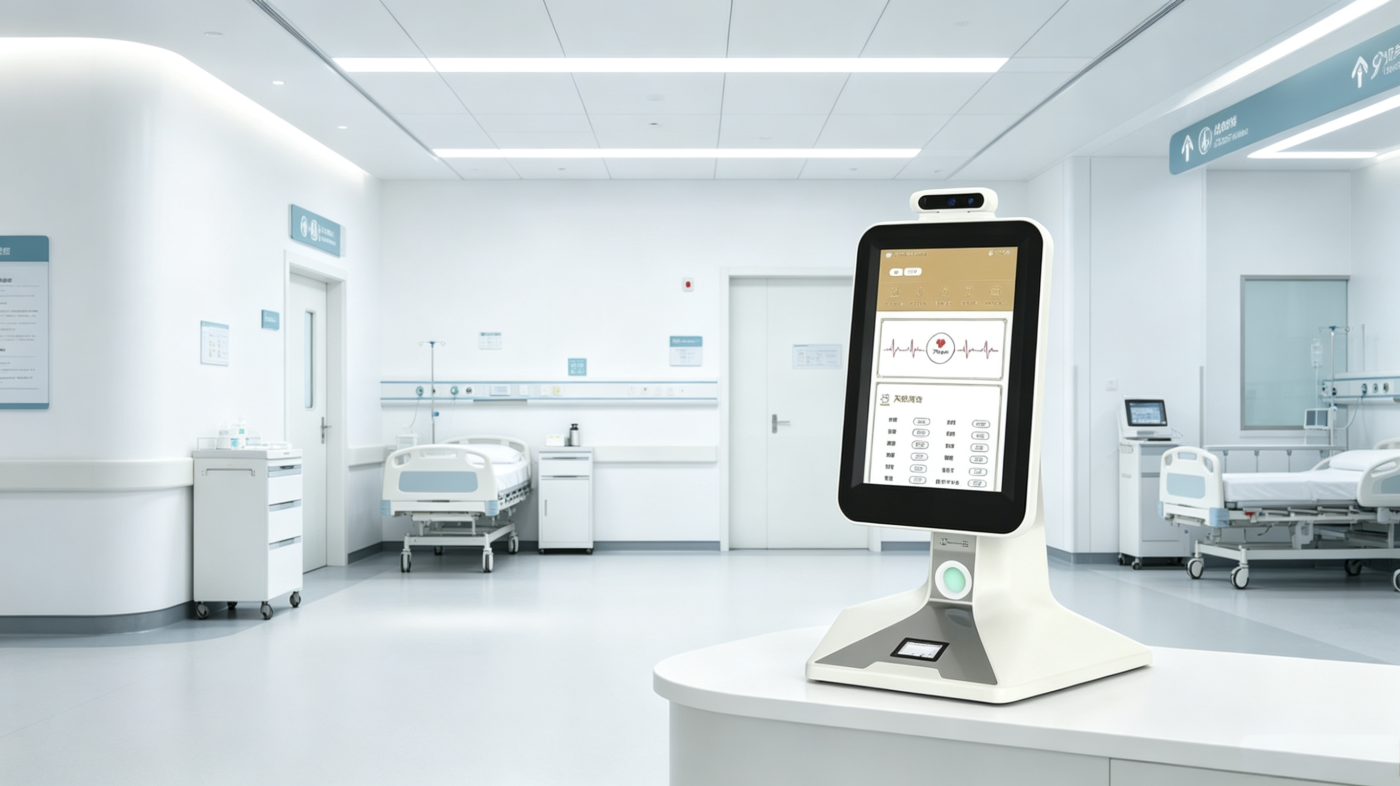
The healthcare landscape has shifted. Gone are the days when “remote care” meant a simple phone call check-up. Today, the integration of AI for medical diagnosis within a remote patient monitoring system is not just a luxury—it is a clinical necessity.
For healthcare providers, B2B buyers, and medical importers sourcing high-tech equipment, understanding this intersection is the key to scaling patient outcomes and operational efficiency. Whether you are a business leader looking to invest in a remote patient monitoring platform or a sourcing agent looking for the latest remote health monitoring devices from global hubs like China, the goal is the same: precision.
In this guide, we will explore how artificial intelligence is acting as the “brain” inside modern remote patient monitoring solutions, turning raw data into life-saving diagnoses.
- 1. The Convergence of AI and Remote Patient Monitoring
- 2. How AI for Medical Diagnosis Works in RPM
- 3. Key Components of a Modern Remote Patient Monitoring System
- 4. Top Remote Health Monitoring Devices to Watch in 2026
- 5. Leading Remote Patient Monitoring Platforms Comparison
- 6. The Importer’s Perspective: Sourcing Quality RPM Solutions
- 7. Case Study: Reducing Hospital Readmissions with AI-Driven RPM
- 8. Pros and Cons of AI-Integrated Monitoring
- 9. Expert Strategies for Implementation
- 10. Frequently Asked Questions (FAQ)
- Q1: Is AI for medical diagnosis accurate enough to replace doctors?
- Q2: What are the best remote monitoring devices for elderly patients?
- Q3: How do remote patient monitoring platforms ensure data security?
- Q4: Can I import remote health monitoring devices from China for medical use?
- Q5: What is the ROI on a remote patient monitoring system?
- 11. Conclusion & Next Steps
1. The Convergence of AI and Remote Patient Monitoring
Today’s healthcare infrastructure is navigating a critical bottleneck where aging patient demographics and rising operational costs are forcing a total rethink of traditional care delivery.. With aging populations and a rise in chronic diseases, hospitals are reaching their limits. This is where remote patient monitoring solutions step in.
By leveraging AI for medical diagnosis, these systems move beyond mere data collection. They don’t just tell a doctor that a patient’s heart rate is high; they analyze that heart rate against historical data, activity levels, and sleep patterns to predict an impending cardiac event before it happens.
For business leaders and medical importers, this represents a massive market opportunity. We are seeing a move away from “dumb” sensors toward intelligent, AI-enabled remote monitoring devices that offer actual diagnostic value.
2. How AI for Medical Diagnosis Works in RPM
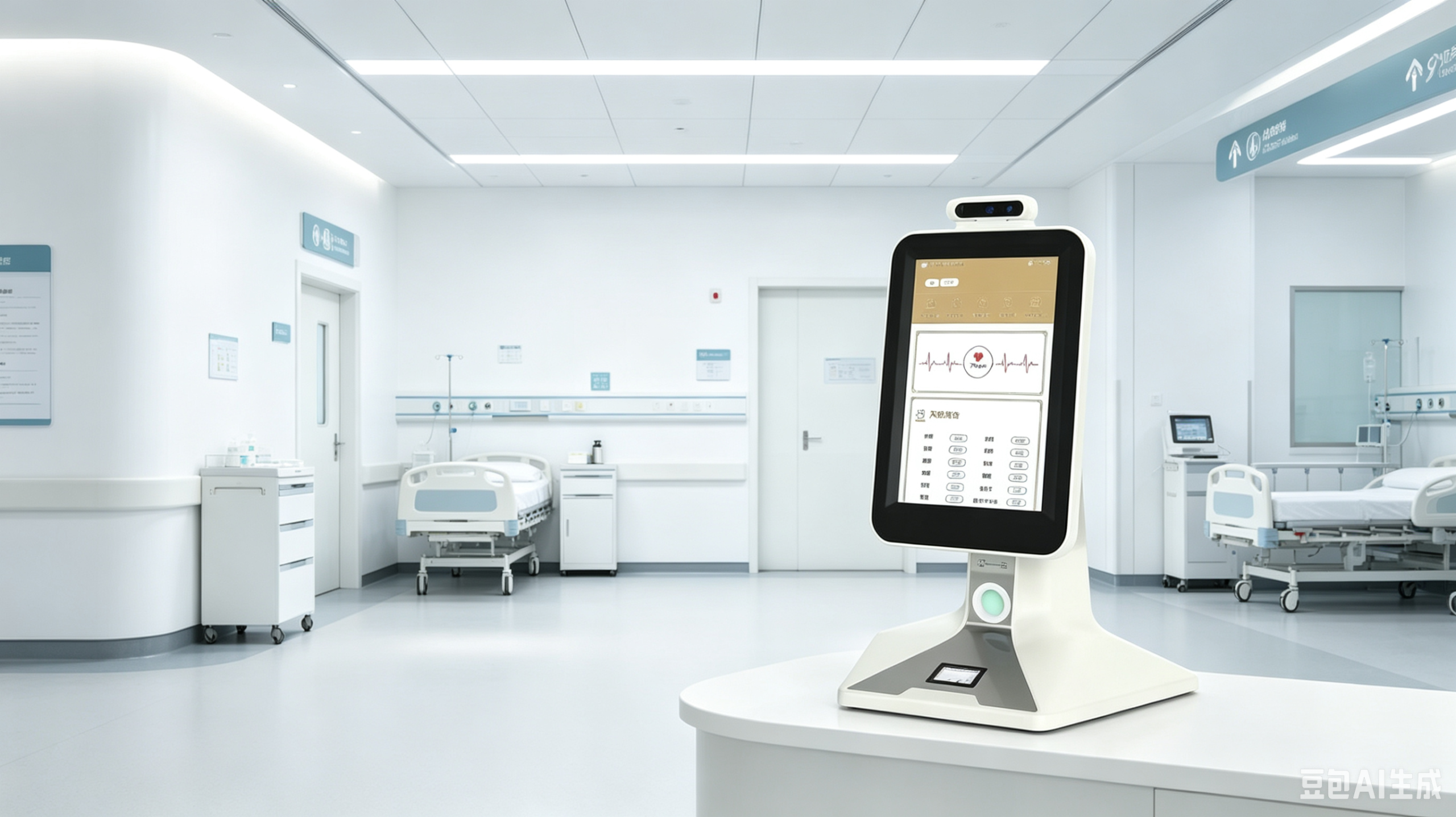
The magic happens in the cloud. When a patient uses remote health monitoring devices—such as a smart ECG or a connected pulse oximeter—the data is transmitted to a remote patient monitoring platform.
Inside this platform, AI algorithms perform three critical functions:
- Pattern Recognition: Identifying subtle changes in vitals that a human eye might miss during a quick chart review.
- Predictive Analytics: Using machine learning to forecast health deteriorations (e.g., predicting a COPD flare-up 48 hours in advance).
- Automated Triage: Sorting through thousands of patients to highlight the ones who need immediate intervention, allowing doctors to focus their time where it matters most.
This level of AI for medical diagnosis significantly reduces the “alarm fatigue” that often plagues medical staff, ensuring that notifications are actionable and evidence-based.
3. Key Components of a Modern Remote Patient Monitoring System
A high-performing remote patient monitoring system is more than just a single gadget. It is an ecosystem. For importers and B2B buyers, evaluating a system requires looking at four pillars:
A. High-Fidelity Remote Monitoring Devices
The hardware must be clinical-grade. Whether it’s a blood pressure cuff, a continuous glucose monitor (CGM), or a multi-parameter wearable, accuracy at the source is non-negotiable.
B. Secure Connectivity
Data must flow seamlessly from the device to the provider. This often involves Bluetooth-to-Cellular gateways, ensuring that even elderly patients without Wi-Fi can remain connected.
C. The Remote Patient Monitoring Platform
This is the software interface. A top-tier platform must be HIPAA-compliant, user-friendly for both patients and clinicians, and capable of integrating with existing Electronic Health Records (EHR).
D. AI Diagnostic Engines
The “secret sauce.” This component analyzes the incoming data streams to provide the AI for medical diagnosis capabilities that set modern solutions apart from legacy hardware.
4. Top Remote Health Monitoring Devices to Watch in 2026
If you are a business person or an importer looking to source the best remote health monitoring devices, especially from tech hubs in China or the US, these categories are dominating the market:
- AI-Powered Wearable ECGs: These go beyond simple heart rate monitoring to detect arrhythmias like Atrial Fibrillation (AFib) with 99% accuracy.
- Smart Blood Pressure Monitors: These devices now detect irregular heartbeats and vascular age, providing a more comprehensive cardiovascular profile.
- Non-Invasive Glucose Monitors: A “holy grail” in RPM, these devices are increasingly using AI to estimate blood sugar levels without the need for painful finger pricks.
- Smart Jump Ropes for Rehabilitation: Interestingly, even fitness equipment is entering the medical space. For jump rope experts and fitness importers, smart ropes that track metabolic data are being used in supervised cardiac rehab programs.
5. Leading Remote Patient Monitoring Platforms Comparison
When choosing a remote patient monitoring platform, it’s important to compare features that support AI for medical diagnosis.
| Platform Name | Key AI Feature | Target User |
| VitalConnect | Continuous vital sign trend analysis | Hospitals & Post-Op |
| Dexcom/G6/G7 | Predictive glucose alerts | Diabetic Patients |
| BioFourmis | “Biovitals” analytics for heart failure | Chronic Care Management |
| Chinese OEM Solutions | Cost-effective, high-volume hardware | Global Importers/B2B |
The trend in 2026 is moving toward remote patient monitoring solutions that offer “end-to-end” services—providing both the hardware and the AI-driven software as a single package.
6. The Importer’s Perspective: Sourcing Quality RPM Solutions
For business men and import companies, specifically those looking at the Chinese market, sourcing remote monitoring devices requires a rigorous vetting process.
Why China?
China remains the global leader in manufacturing remote health monitoring devices due to its massive supply chain and rapid iteration of AI hardware. However, the difference between a “gadget” and a “medical device” lies in certification.
Sourcing Checklist:
- Certifications: Ensure devices have FDA (US), CE (Europe), or NMPA (China) clearance.
- Data Sovereignty: Does the device’s software allow data to be stored on servers in your home country?
- API Integration: Can the device talk to major remote patient monitoring platforms?
- AI Credibility: Is the AI for medical diagnosis validated by clinical trials, or is it just a marketing buzzword?
7. Case Study: Reducing Hospital Readmissions with AI-Driven RPM
A leading healthcare network recently implemented a remote patient monitoring system using AI to track patients with Congestive Heart Failure (CHF).
The Solution: Patients were sent home with a suite of remote health monitoring devices, including a weight scale and an ECG patch.
The AI Factor: The AI monitored weight gain (a sign of fluid retention) and heart rate variability. If the AI detected a dangerous trend, it alerted a nurse practitioner immediately.
The Results:
- 30% Reduction in 30-day hospital readmissions.
- 25% Decrease in the cost of care per patient.
- Improved patient satisfaction scores, as patients felt “looked after” at home.
8. Pros and Cons of AI-Integrated Monitoring
While AI for medical diagnosis is revolutionary, it isn’t without its hurdles.
Pros
- Scalability: Allows one doctor to monitor hundreds of patients.
- Precision: Catching “silent” symptoms before they become emergencies.
- Cost-Savings: Reducing the need for expensive in-person visits and ER trips.
Cons
- Data Privacy: AI requires vast amounts of data, raising cybersecurity concerns.
- Initial Cost: Setting up a robust remote patient monitoring platform requires significant upfront investment.
- Regulatory Hurdles: AI algorithms must undergo strict testing to be cleared for medical diagnosis.
9. Expert Strategies for Implementation
If you are a business leader or a healthcare administrator ready to adopt remote patient monitoring solutions, follow these strategies:
- Start Small: Focus on one chronic condition (e.g., Hypertension or Diabetes) before scaling to a full-system rollout.
- Prioritize UX: If the remote monitoring devices are hard to use, patients won’t use them. Choose devices with a “one-button” setup.
- Demand Interoperability: Ensure your remote patient monitoring system can “speak” to your existing EHR. Don’t build a data silo.
- Focus on Training: Your clinical staff needs to understand how to interpret AI-generated alerts.
10. Frequently Asked Questions (FAQ)
Q1: Is AI for medical diagnosis accurate enough to replace doctors?
No. AI is a “decision-support” tool. It excels at sorting data and spotting trends, but the final diagnostic decision always rests with a qualified healthcare professional.
Q2: What are the best remote monitoring devices for elderly patients?
The best devices are “passive” or “ambient”—meaning the patient doesn’t have to do much. Examples include wearable patches or cellular-connected scales that sync automatically without needing an app.
Q3: How do remote patient monitoring platforms ensure data security?
Top platforms use end-to-end encryption and are strictly compliant with regulations like HIPAA (USA) or GDPR (Europe) to protect patient identity and health data.
Q4: Can I import remote health monitoring devices from China for medical use?
Yes, but they must be certified by your local regulatory body (like the FDA). Many top-tier Chinese manufacturers now produce high-quality, certified medical AI hardware.
Q5: What is the ROI on a remote patient monitoring system?
ROI typically comes from three areas: reduced hospital readmissions, reimbursement codes (like CPT codes in the US), and increased clinic efficiency through automated triage.
11. Conclusion & Next Steps
The integration of AI for medical diagnosis into remote patient monitoring solutions is the defining trend of 2026. For healthcare providers, it offers a way to provide better care with fewer resources. For B2B buyers and importers, it represents a high-growth market with a genuine social impact.
By focusing on high-quality remote health monitoring devices and robust remote patient monitoring platforms, you can position your business at the forefront of the medical technology revolution.
Ready to upgrade your care model?
Whether you are looking to source the latest AI-driven hardware or implement a full-scale RPM system, the time to act is now. Contact our team for a consultation on the best remote patient monitoring system for your specific needs.
