





Uncategorized
Inside the “Mother Factory”: Where Robots Are Born from Robots
May
Walking into a high-automation assembly line in 2026 feels less like a factory tour and more like a glimpse into a sci-fi sequel. Forget the grease and the noise; the future of manufacturing is silent, precise, and increasingly autonomous.
This Tuesday, I had the chance to go behind the scenes of a state-of-the-art robotics facility. Here’s what the “next-gen” of manufacturing actually looks like.
1. The Dawn of the “Mother Factory”
The most striking realization wasn’t just the presence of robots—it was their role. We’ve moved past robots simply moving boxes. Today, we are seeing “Robots Building Robots.”
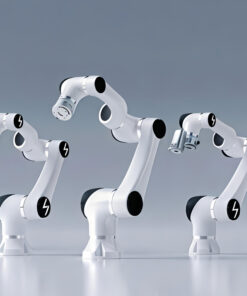
In the Guangzhou-based facility I visited, the entire production line for humanoid actuators is managed by specialized mechanical arms. This “closed-loop” automation means that the precision required for the next generation of AI-driven machines is now being delivered by the machines themselves.
2. Embodied AI: From Code to Kinetic Reality
We talk a lot about Large Language Models (LLMs), but seeing Embodied Intelligence in a factory setting is a different game.
Tactile Feedback
When a human close to the robot.It will return back, stop operating. Reduce the risk of operating.
3. The “Big Health” Frontier
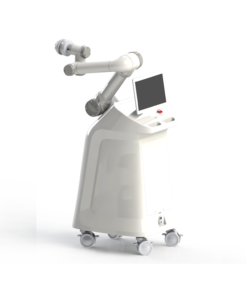
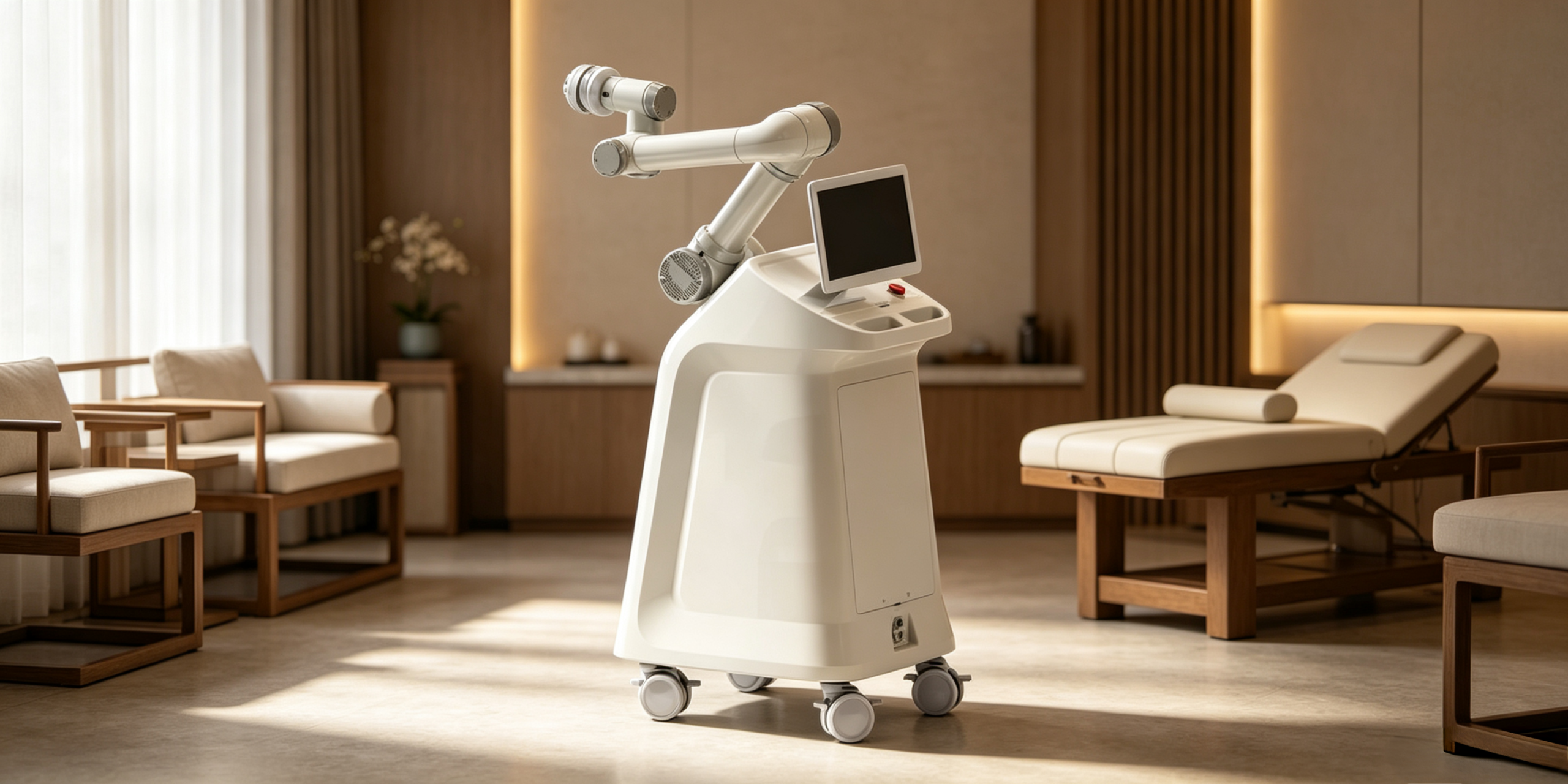
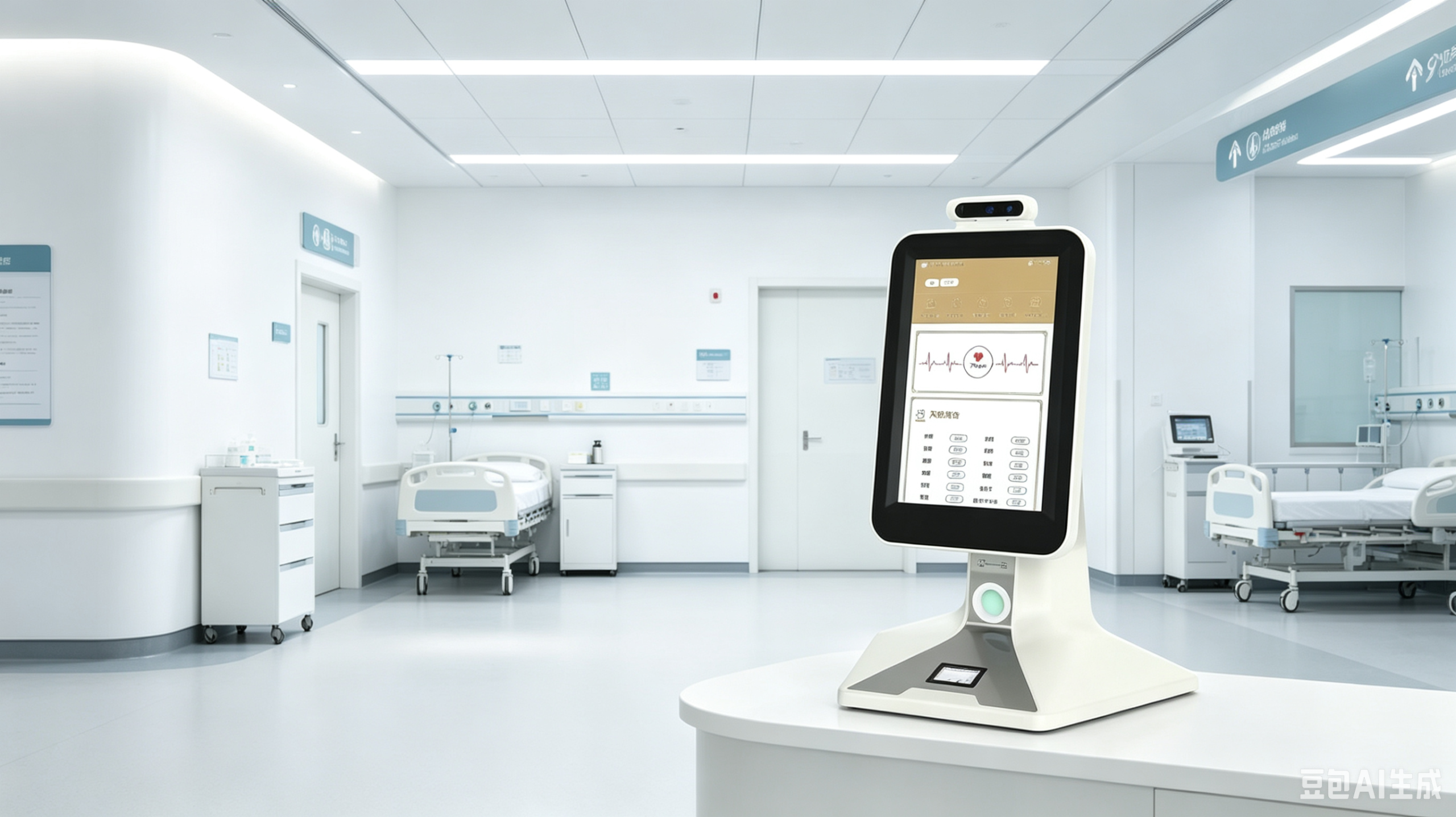
One of the most exciting sectors currently scaling is the integration of AI with traditional wellness. Seeing a moxibustion or massage robot move with the fluidity of a human practitioner—thanks to high-torque density motors—is a testament to how robotics is moving from the assembly line into our daily lives.
4. Why This Matters for the Global Market
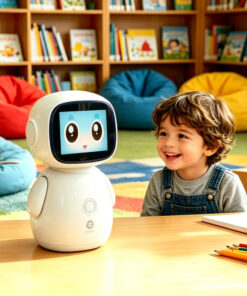
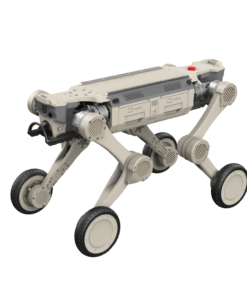
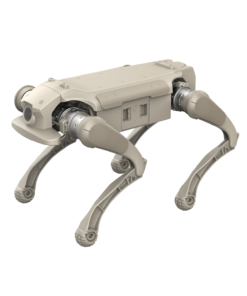
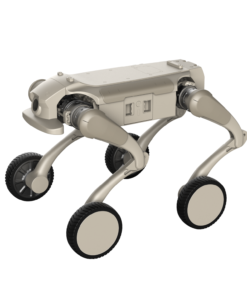
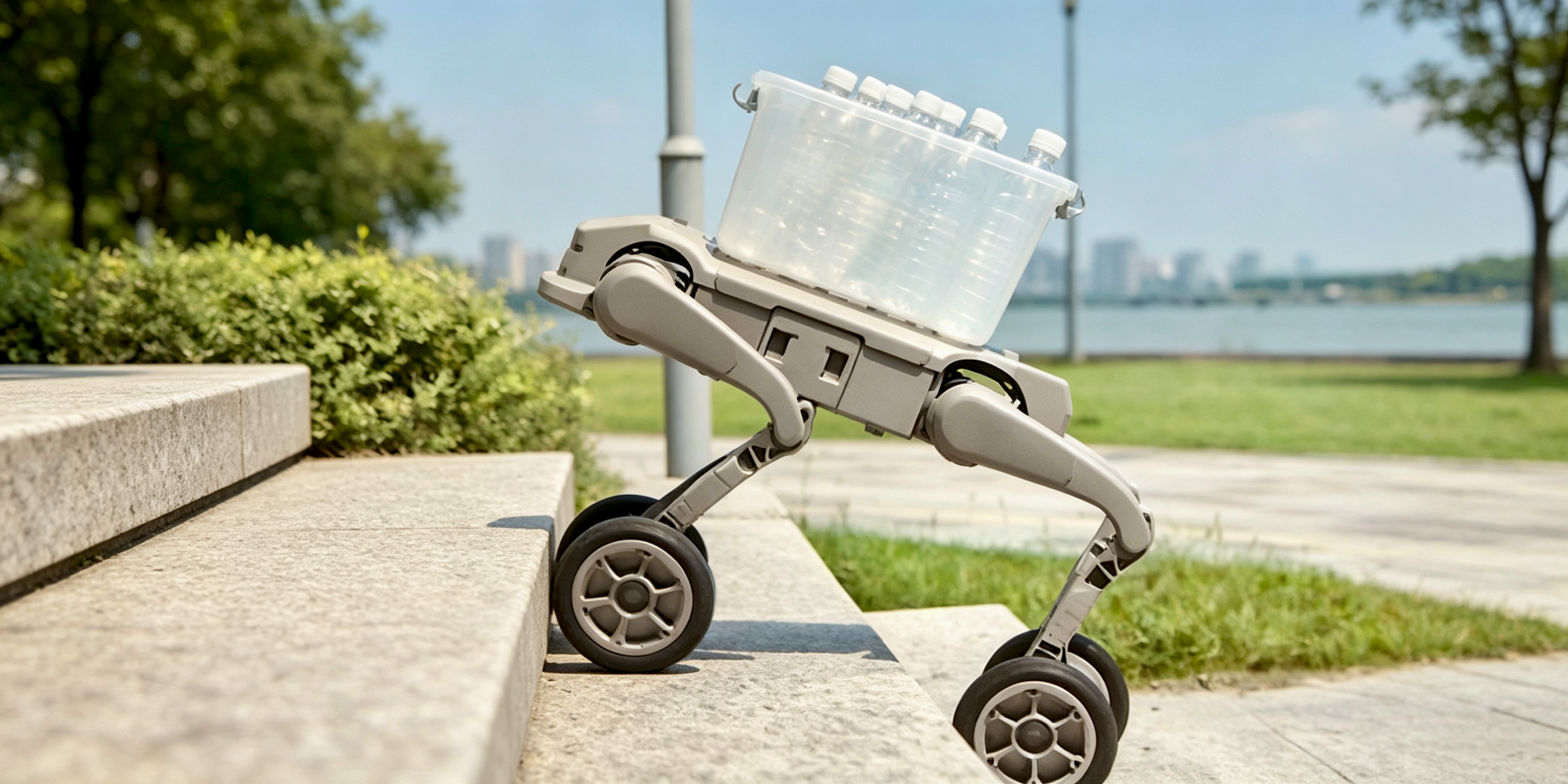
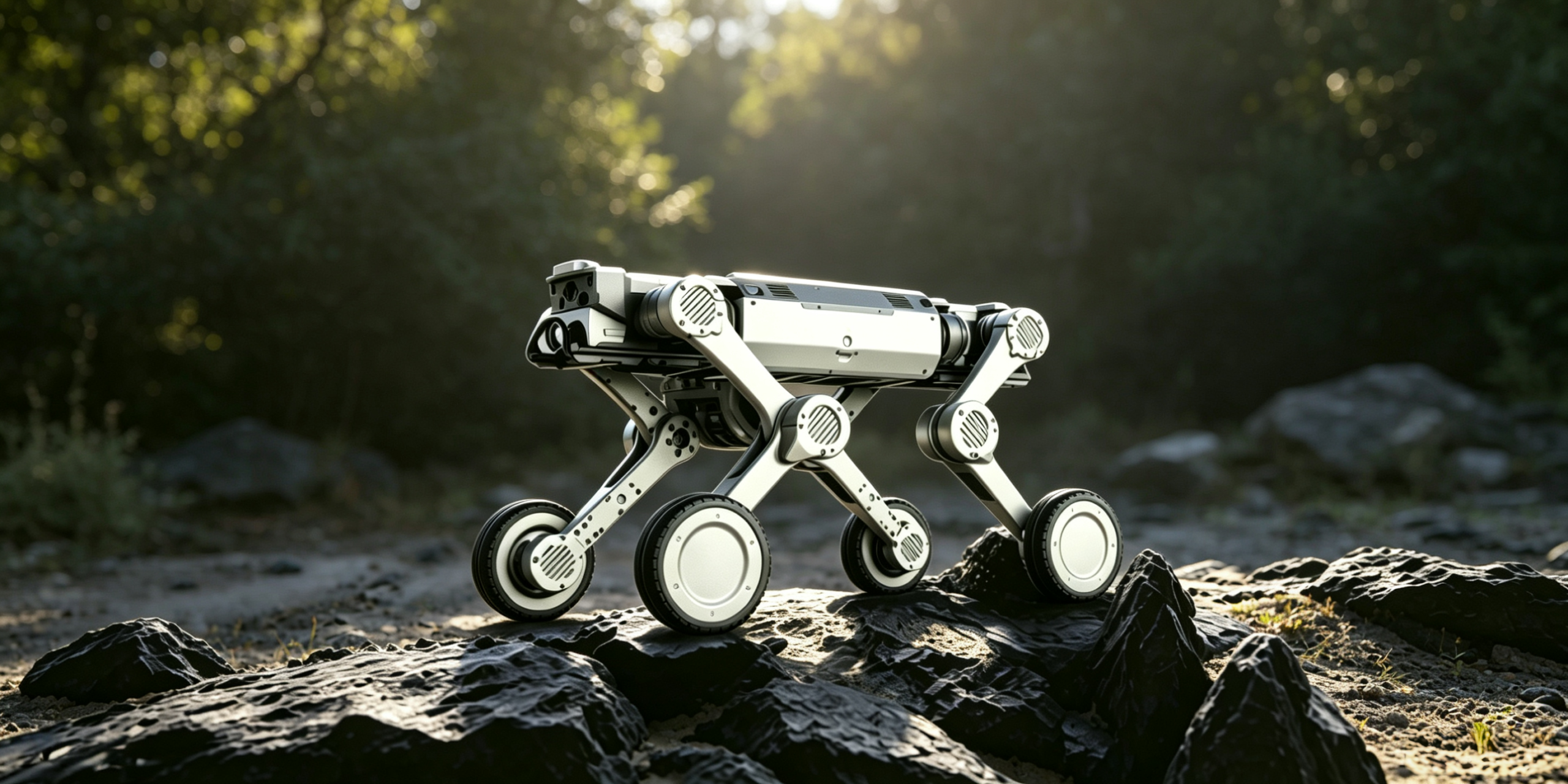
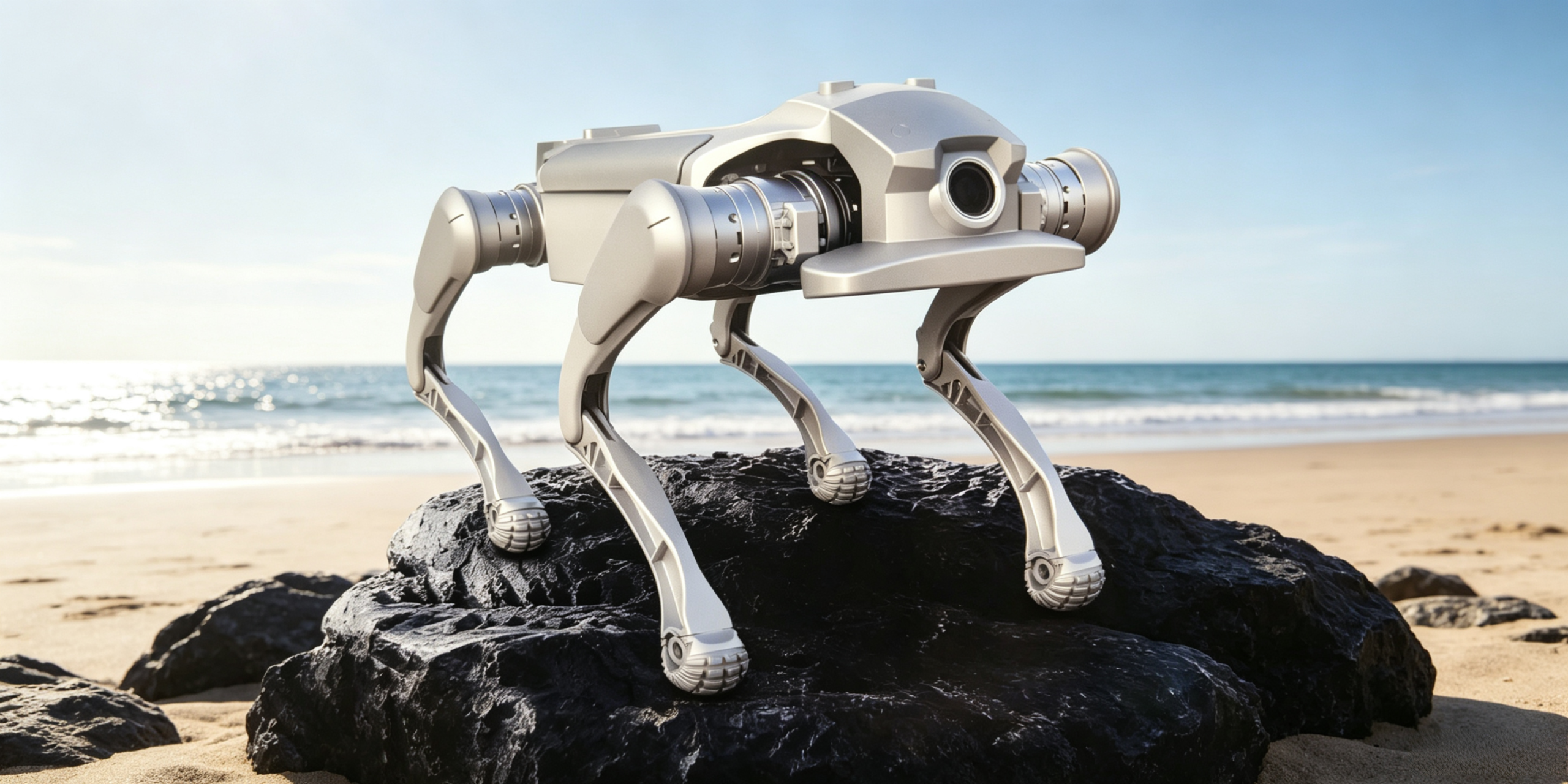
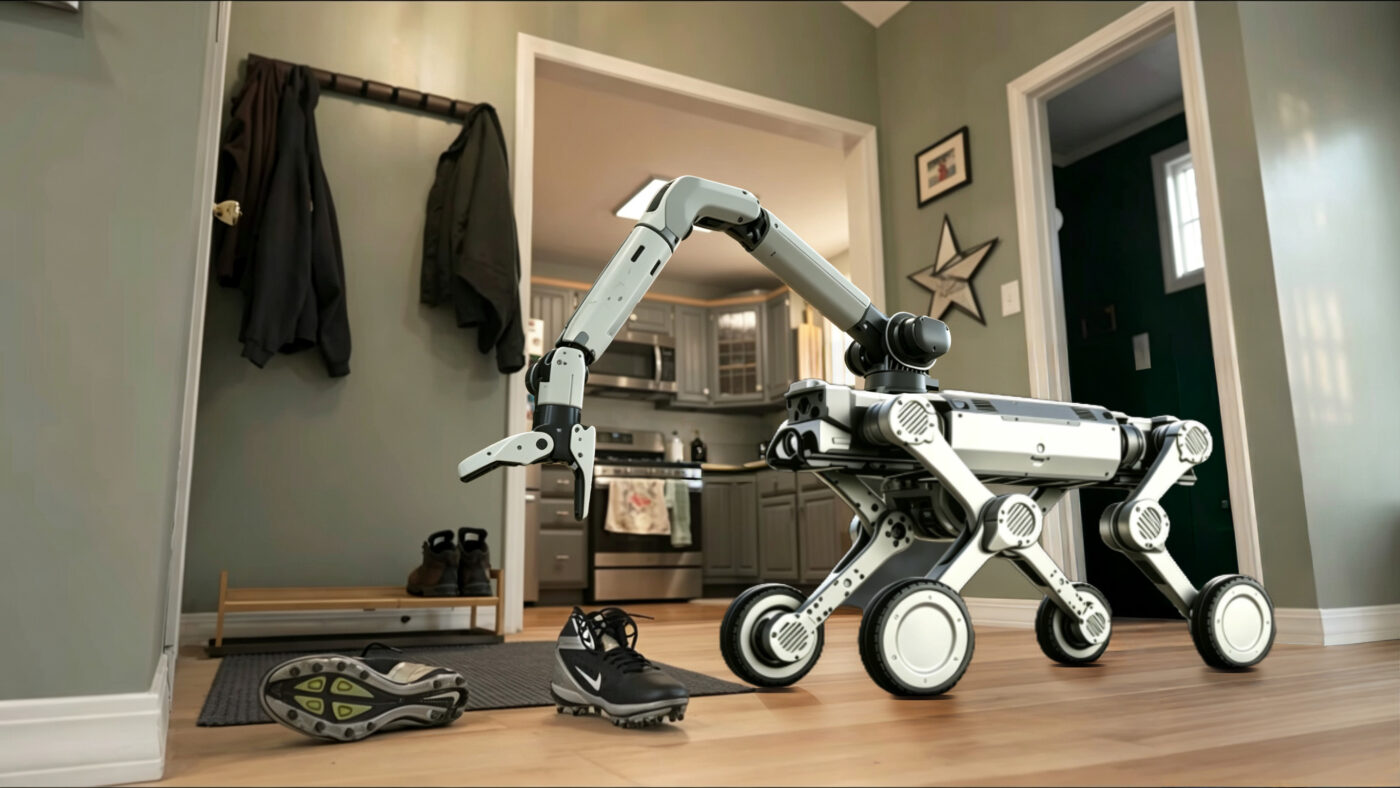
The conversation in the West often focuses on the “software” of AI. However, the “hardware” being refined in hubs like Guangdong is what will ultimately provide the “body” for that AI. Whether it’s companion robots or military-grade mechanical dogs, the scalability of these factories is what will drive down costs and lead to mass adoption.
The Takeaway
The boundary between “digital intelligence” and “physical labor” is evaporating. We aren’t just building tools anymore; we are building a new workforce.
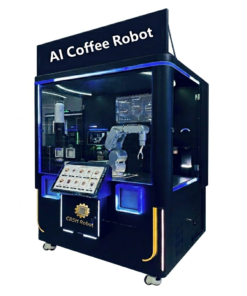
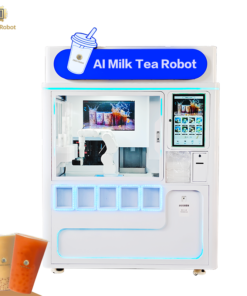
What do you think? Are we ready for a world where our coffee is made, our packages are delivered, and our health is managed by the “children” of these mother factories?
Let’s discuss in the comments.
