



Uncategorized
Ice Cream Robot Revolution: How Automated Ice Cream Machines Are Transforming Modern Dessert Businesses
May
Introduction
The global food automation industry is changing fast, and one innovation is attracting enormous attention from restaurants, malls, entertainment centers, and retail investors: the ice cream robot.
What once looked like futuristic technology is now becoming a profitable business model in shopping malls, airports, theme parks, cinemas, and smart retail environments worldwide.
Consumers love interactive experiences. Business owners want lower labor costs, faster operations, and scalable systems. An ice cream robot delivers both.
From robotic arms serving premium soft serve to fully autonomous kiosks operating 24/7, these systems are redefining the dessert industry. For importers and commercial buyers sourcing equipment from China, the market opportunity is growing rapidly.
In this guide, you’ll learn:
- What an ice cream robot is
- How robot ice cream machines work
- Why businesses are investing in automation
- Key benefits and challenges
- ROI insights for investors
- Expert buying strategies for importers
- Future trends in robotic dessert technology
Whether you operate a retail chain, distribution company, amusement center, or food automation business, this article will help you understand why robotic dessert systems are becoming one of the hottest opportunities in commercial food service.
- Introduction
- What Is an Ice Cream Robot?
- How a Robot Ice Cream Machine Works
- Why Ice Cream Robots Are Growing Worldwide
- Key Benefits for Businesses
- Best Locations to Install an Ice Cream Making Robot
- Real-World Business Use Cases
- Ice Cream Robot vs Traditional Ice Cream Shop
- Pros and Cons of Robot Serving Ice Cream
- What to Look for Before Importing from China
- ROI and Profit Potential
- Future Trends in Robotic Dessert Automation
- Expert Tips Before Buying an Ice Cream Robot
- FAQ
- Conclusion
What Is an Ice Cream Robot?
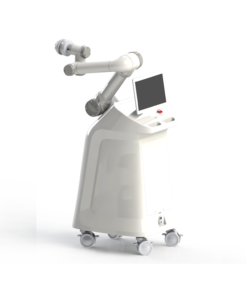
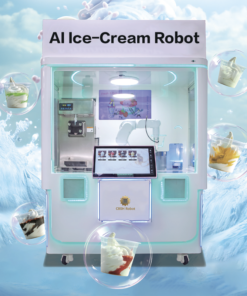
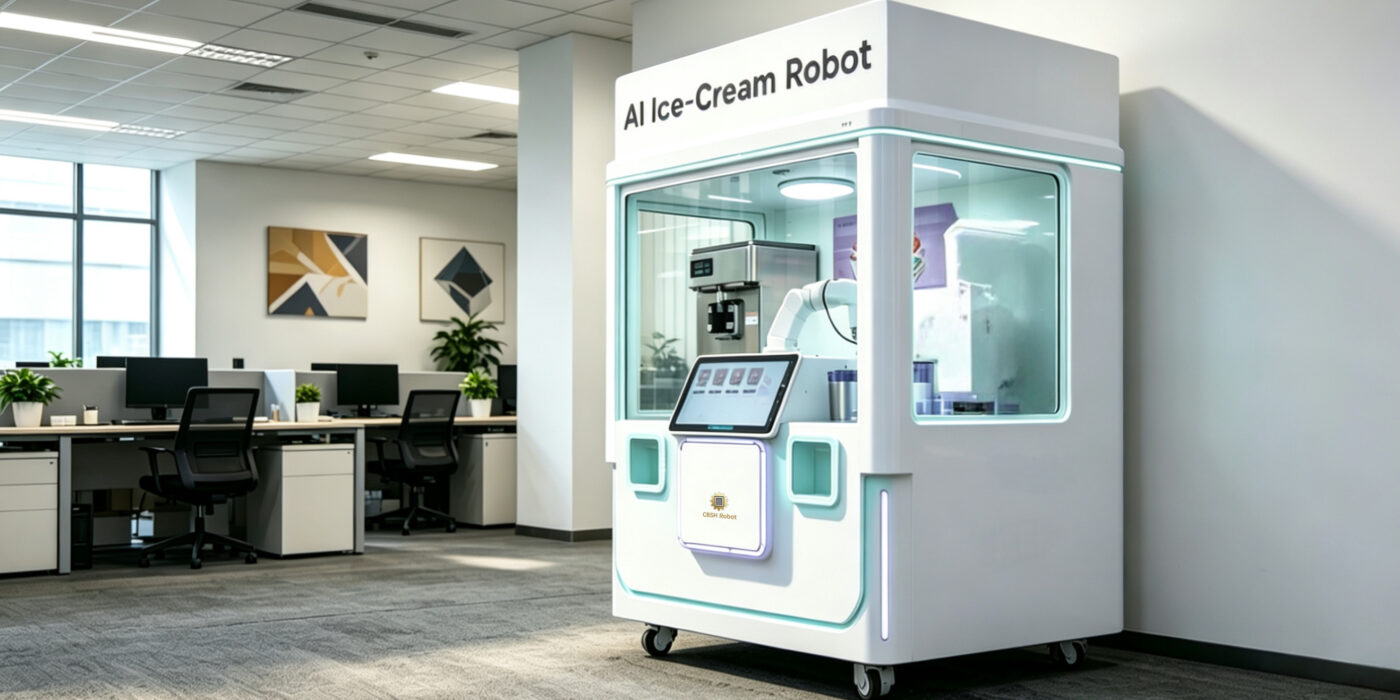
An ice cream robot is an automated machine or robotic kiosk designed to prepare, dispense, decorate, and sometimes even serve ice cream without requiring full-time staff.
These systems combine:
- Robotic arms
- Smart sensors
- AI-powered controls
- Touchscreen ordering systems
- Automated payment integration
- Temperature management systems
Some advanced models can even:
- Add toppings automatically
- Create custom dessert designs
- Operate remotely through cloud software
- Track inventory in real time
Unlike traditional vending machines, modern robotic dessert systems focus heavily on customer experience and visual entertainment.
This is why they perform exceptionally well in high-foot-traffic commercial environments.
How a Robot Ice Cream Machine Works
A modern robot ice cream machine typically follows a fully automated workflow.
Step 1: Customer Places an Order
Users select flavors and toppings through:
- Touchscreen kiosks
- QR code ordering
- Mobile apps
- Cashless payment systems
Step 2: The Robot Prepares the Ice Cream
The robotic system automatically:
- Dispenses cups or cones
- Serves soft ice cream
- Adds syrups or toppings
- Controls portion accuracy
Step 3: Smart Sensors Monitor Quality
Integrated systems ensure:
- Correct temperature
- Hygienic preparation
- Consistent serving quality
- Reduced product waste
Step 4: Automated Delivery
The robot serving ice cream presents the final product through a pickup window or robotic arm interaction.
Many premium systems complete orders within 30–60 seconds.
Why Ice Cream Robots Are Growing Worldwide
The food service industry is under pressure from rising labor costs, staffing shortages, and increasing customer expectations.
Automation solves multiple business problems at once.
1. Rising Labor Costs
Restaurants and dessert chains globally are struggling with staffing expenses.
An ice cream making robot can reduce dependency on:
- Cashiers
- Service staff
- Dessert preparation workers
2. Consumers Love Interactive Experiences
People are naturally attracted to robotic food systems.
In malls and entertainment venues, customers often record videos and share them online, creating free social media marketing.
3. 24/7 Business Operation
Unlike human staff, robotic systems can operate continuously with minimal supervision.
This dramatically improves revenue potential in:
- Airports
- Transit stations
- Hotels
- Smart retail zones
4. Consistency and Hygiene
Automated systems provide standardized quality while reducing human contact during food preparation.
Post-pandemic consumer behavior has significantly increased demand for contactless food service.
Key Benefits for Businesses
Lower Operating Costs
A robotic dessert kiosk can reduce labor requirements significantly.
Instead of employing multiple workers per shift, businesses can manage operations with minimal staff oversight.
Higher Customer Attraction
An ice cream robot acts as both a vending system and a marketing attraction.
The visual appeal increases foot traffic and impulse purchases.
Faster Service Speed
Most automated systems serve products within one minute.
This helps businesses handle peak traffic efficiently.
Scalable Business Model
Robotic kiosks are easier to replicate across multiple locations compared to traditional stores.
This makes them highly attractive for franchise expansion.
Data and Analytics
Many smart systems include:
- Sales tracking
- Customer behavior analytics
- Remote monitoring
- Inventory alerts
These features improve operational efficiency and decision-making.
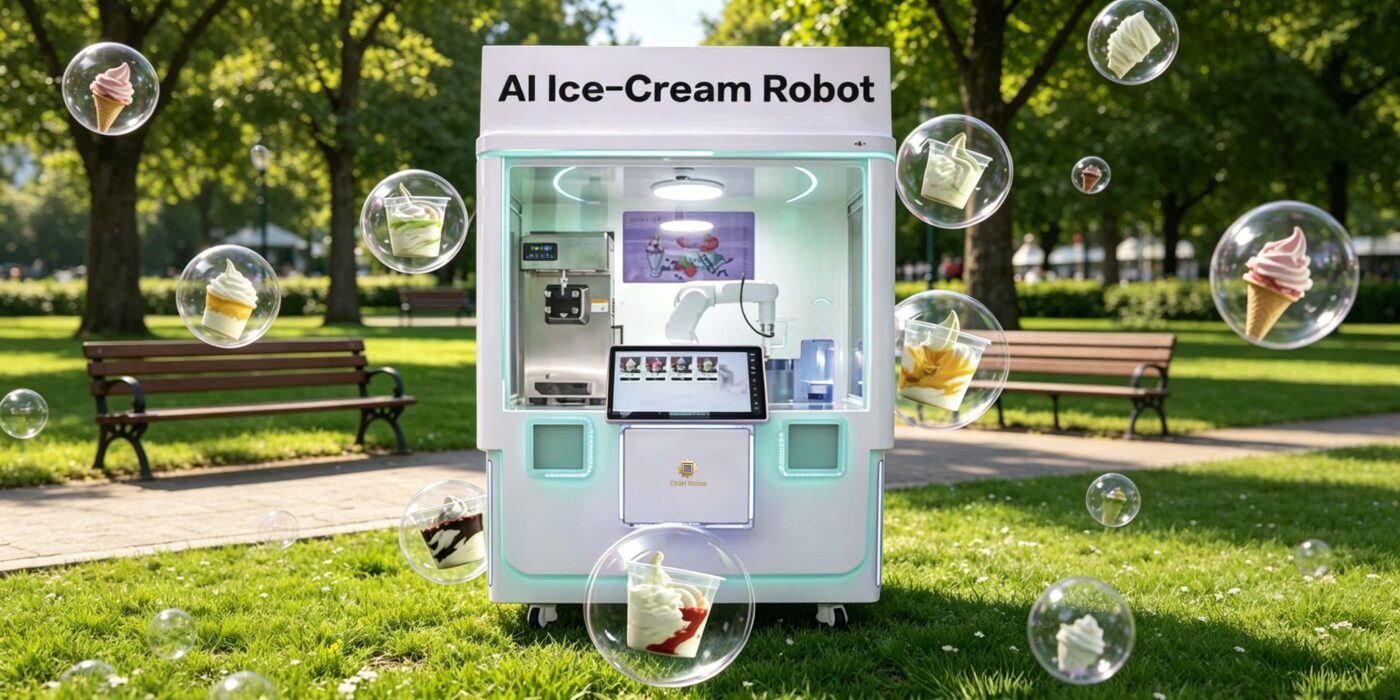
Best Locations to Install an Ice Cream Making Robot
Location selection plays a massive role in profitability.
Here are the highest-performing installation environments.
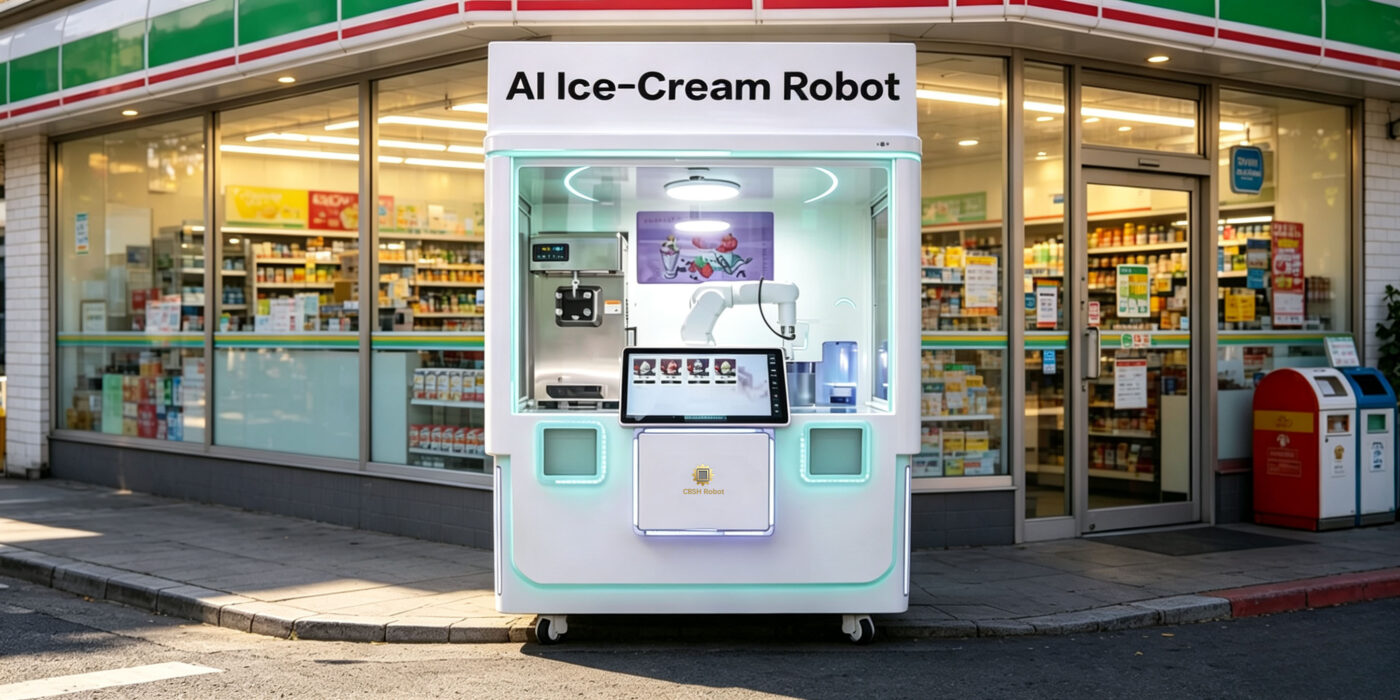
Shopping Malls
Malls generate strong impulse purchases, especially among families and younger audiences.
Robotic dessert kiosks perform extremely well near:
- Cinema entrances
- Kids’ zones
- Main walkways
Entertainment Centers
Gaming zones, VR parks, and family entertainment venues create ideal demand for automated desserts.
Airports and Transit Hubs
Travelers often seek fast and convenient snacks.
Automation reduces staffing challenges in high-traffic transportation environments.
Theme Parks
Interactive robotic systems fit naturally into modern amusement experiences.
Hotels and Resorts
Luxury hotels increasingly use food robots to enhance guest experiences.
Event Spaces
Temporary robotic dessert setups are becoming popular at:
- Trade shows
- Festivals
- Corporate events
- Product launches
Real-World Business Use Cases
Smart Mall Dessert Kiosks
Several Asian shopping centers now operate fully autonomous ice cream kiosks that generate revenue with minimal staff involvement.
These kiosks often outperform traditional dessert carts because they attract crowds through visual engagement.
Franchise Expansion Models
Many entrepreneurs use robotic dessert systems as scalable franchise concepts.
Benefits include:
- Lower training requirements
- Consistent operations
- Faster deployment
Premium Brand Marketing
Luxury dessert brands use robotic serving systems to position themselves as innovative and futuristic.
This helps attract younger, social-media-driven consumers.
Ice Cream Robot vs Traditional Ice Cream Shop
| Feature | Ice Cream Robot | Traditional Shop |
|---|---|---|
| Labor Cost | Low | High |
| Operating Hours | 24/7 possible | Limited |
| Consistency | Very High | Staff dependent |
| Customer Experience | Interactive | Traditional |
| Space Requirement | Compact | Larger |
| Expansion Scalability | Easy | More complex |
| Initial Investment | Higher upfront | Moderate |
For many investors, automation provides better long-term operational efficiency despite higher initial equipment costs.
Pros and Cons of Robot Serving Ice Cream
Pros
Reduced Labor Dependency
Automation minimizes staffing challenges.
Faster Service
Robotic systems can process orders quickly during busy periods.
Strong Marketing Appeal
Customers are naturally attracted to robotic food preparation.
Improved Hygiene
Minimal human contact improves food safety perception.
Smart Data Integration
Cloud systems provide operational insights.
Cons
Higher Initial Investment
Commercial robotic systems can require significant upfront capital.
Maintenance Requirements
Technical systems require regular servicing.
Software Dependence
Operational issues may occur if software systems fail.
Limited Human Interaction
Some customers still prefer traditional customer service.
What to Look for Before Importing from China
China has become a major manufacturing hub for robotic food systems.
However, importers should evaluate suppliers carefully.
Manufacturing Quality
Always verify:
- Material quality
- Food-grade certifications
- Electrical compliance standards
Software Stability
Request demonstrations of:
- User interface
- Cloud system functionality
- Remote management tools
Spare Parts Availability
Downtime directly affects profitability.
Choose suppliers with:
- International support
- Spare parts inventory
- Technical documentation
Certifications
Look for certifications such as:
- CE
- FCC
- ISO
- UL compliance (if required)
OEM and Branding Options
Many manufacturers offer:
- Custom branding
- Private label production
- UI customization
This is valuable for distributors and franchise operators.
ROI and Profit Potential
The profitability of an ice cream robot depends heavily on location, traffic volume, and pricing strategy.
However, many operators report strong margins due to low labor requirements.
Example Scenario
Estimated Daily Sales
- 150 cups/day
- Average selling price: $5
Daily Revenue
- $750/day
Monthly Revenue
- Approximately $22,500/month
With proper placement in high-traffic environments, many systems can achieve relatively fast return on investment periods.
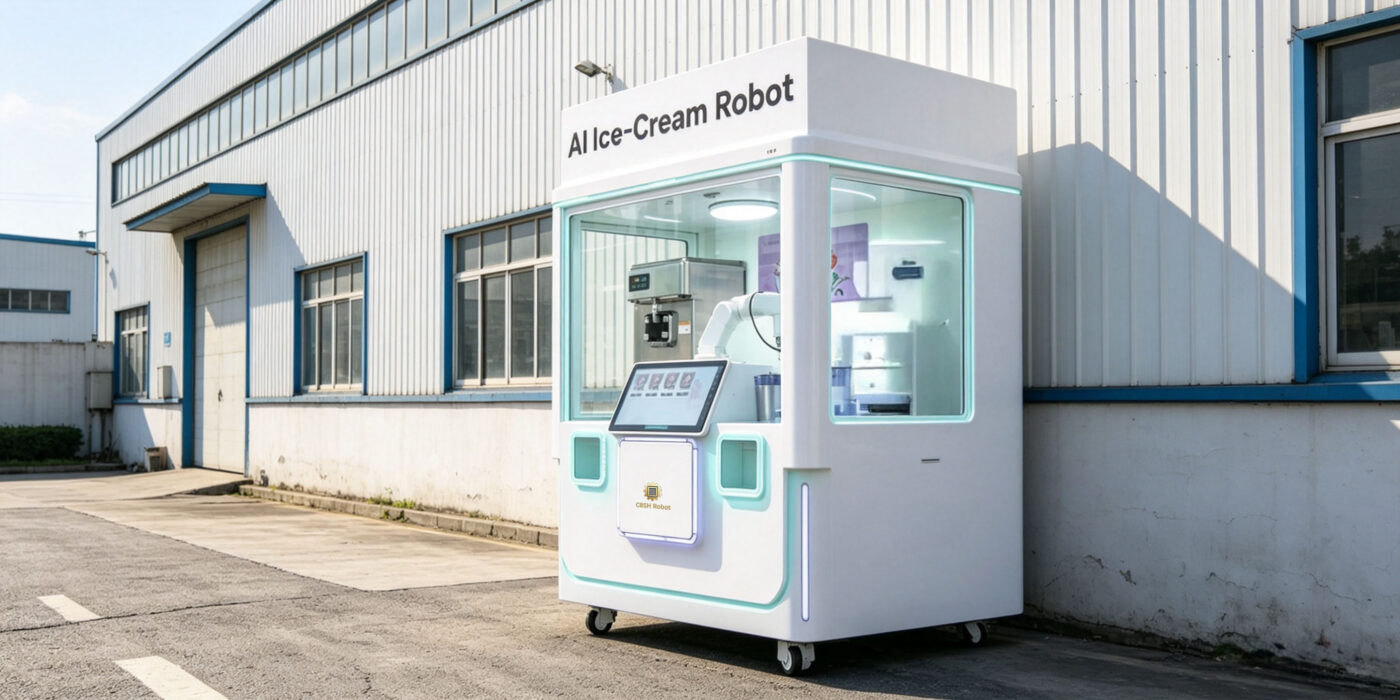
Future Trends in Robotic Dessert Automation
The next generation of robotic dessert systems will likely include:
AI Personalization
Systems will recommend flavors based on customer behavior and purchase history.
Voice Ordering
AI voice assistants may replace touchscreen ordering.
Facial Recognition Loyalty Systems
Some smart retail environments are already experimenting with personalized customer experiences.
Multi-Product Robots
Future systems may prepare:
- Ice cream
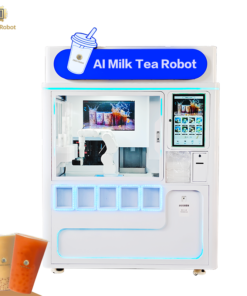
- Milk tea
- Coffee
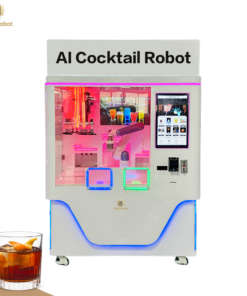
- Cocktails
- Yogurt desserts
using a single robotic platform.
Smart Retail Ecosystems
Robotic food kiosks will increasingly integrate with:
- Smart malls
- Automated retail stores
- Cashless ecosystems
Expert Tips Before Buying an Ice Cream Robot
Focus on Location First
Even the best robot performs poorly in low-traffic environments.
Location quality matters more than machine features.
Choose Simple Menu Structures
Operational simplicity improves speed and reduces technical issues.
Prioritize Maintenance Support
Reliable after-sales support is essential for commercial success.
Analyze Electricity and Space Requirements
Always confirm installation requirements before importing equipment.
Invest in Visual Branding
A visually attractive kiosk significantly improves customer engagement.
FAQ
What is an ice cream robot?
An ice cream robot is an automated robotic system designed to prepare and serve ice cream with minimal human involvement.
How much does a robot ice cream machine cost?
Commercial systems typically range from several thousand to tens of thousands of dollars depending on features, automation level, and customization.
Are ice cream robots profitable?
Yes. In high-foot-traffic locations, robotic dessert systems can generate strong profits due to low labor costs and high operational efficiency.
Can an ice cream making robot operate 24/7?
Many modern systems are designed for continuous operation with remote monitoring capabilities.
Is importing robotic food equipment from China safe?
Yes, if buyers work with verified manufacturers and conduct proper quality inspections and certification checks.
Where should I install a robot serving ice cream system?
Top-performing locations include shopping malls, entertainment centers, airports, hotels, and event venues.
Do robotic dessert kiosks require staff?
Most systems require minimal supervision mainly for cleaning, ingredient refilling, and maintenance.
Conclusion
The rise of the ice cream robot is more than just a technology trend — it represents a major shift in how modern food businesses operate.
Automation is helping businesses reduce labor costs, improve customer experiences, and scale more efficiently than traditional dessert operations.
For importers, investors, and entrepreneurs sourcing equipment from China, robotic dessert systems offer a rapidly growing commercial opportunity.
As consumers continue embracing interactive and automated retail experiences, businesses that adopt smart food automation early may gain a strong competitive advantage in the coming years.
If you’re planning to enter the automated dessert industry, now is the ideal time to explore high-quality robotic solutions and secure strategic locations before the market becomes saturated.
