









Uncategorized
Reclaiming the Power of Movement: Why ReWalk Exoskeleton Technology Is Transforming Human Mobility
May
For decades, individuals suffering from spinal cord injuries, neurological disorders, age-related mobility decline, or severe lower-limb trauma have relied on traditional mobility aids such as wheelchairs and crutches.
While these devices provide basic transportation, they often come with major physical and emotional limitations. Long-term wheelchair dependency can accelerate muscle atrophy, reduce bone density, weaken cardiovascular health, and limit personal independence.
Today, however, a new era of mobility technology is emerging through the rise of the ReWalk exoskeleton and other advanced AI-powered robotic mobility systems.
The boundary between human intention and robotic movement is rapidly disappearing.
- What Is a ReWalk Exoskeleton?
- Why Traditional Mobility Aids Are No Longer Enough
- The Vision Behind the Technology: “Technology for People”
- How AI-Powered Exoskeletons Are Transforming Rehabilitation and Mobility
- Exoskeleton Legs for Elderly Persons: The Future of Assisted Mobility
- Understanding ReWalk Exoskeleton Price and Market Value
- Beyond Robotics: Engineering Human Freedom
- Join the Future of Intelligent Mobility

What Is a ReWalk Exoskeleton?
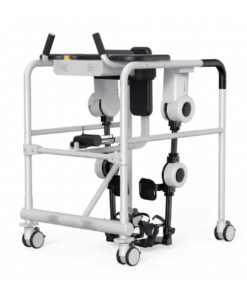
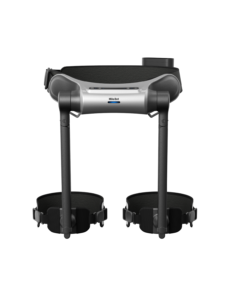
A ReWalk exoskeleton is a wearable robotic mobility system designed to restore walking ability and support natural human movement.
Unlike passive braces or mobility scooters, modern human exoskeleton systems are powered by Embodied AI, intelligent motion algorithms, biometric sensors, and motorized joints that work together in real time.
These advanced systems continuously analyze:
- Muscle activity
- Posture shifts
- Walking intent
- Body balance
- Motion patterns
Using real-time kinetic feedback loops, the robotic system delivers precise motor assistance to help users stand, walk, balance, and move naturally.
In simple terms, a modern exoskeleton for walking acts as an intelligent external musculoskeletal system that works with the human body rather than replacing it.
Why Traditional Mobility Aids Are No Longer Enough
Traditional wheelchairs and crutches were revolutionary decades ago, but they remain fundamentally passive technologies.
They do not actively restore movement.
Instead, they often contribute to:
- Long-term muscle degeneration
- Poor circulation
- Reduced independence
- Upper-body strain
- Social and psychological limitations
Modern robotic mobility systems are changing this reality.
AI-powered human exoskeleton technology allows users to regain upright mobility, improve rehabilitation outcomes, and restore confidence in everyday life.
The Vision Behind the Technology: “Technology for People”
Every transformative technology begins with a purpose.
Our mission did not begin inside a corporate boardroom. It began with a simple but powerful realization from our founder, Dr. Xin Tong.
During years of advanced robotics research and industrial manufacturing, Dr. Xin observed that billions were being invested into automation systems designed to improve factories and production efficiency. Yet millions of people with physical disabilities remained dependent on outdated mobility solutions.
This inspired a new philosophy that now drives our entire robotics development strategy:
“Technology for People”
“The ultimate measure of technological advancement is not how fast a machine can manufacture a product, but how effectively technology can restore freedom, health, and dignity to human life.” — Dr. Xin Tong
This philosophy shifted our focus toward human-centered robotics engineering.
We are not building robots to replace people. We are building robotic systems that empower people.
How AI-Powered Exoskeletons Are Transforming Rehabilitation and Mobility
1. Restoring Natural Walking Mechanics
Traditional crutches place excessive stress on the shoulders, arms, and spine while disrupting long-term posture.
Our AI-powered exoskeleton for walking enables individuals with lower-limb impairments to walk with improved balance and more natural gait dynamics.
By guiding the legs through biologically optimized movement cycles, the robotic system supports hands-free or assisted upright mobility while restoring more natural human locomotion.
2. Fighting Muscle Atrophy and Supporting Neurological Recovery
One of the greatest dangers of prolonged immobility is muscle atrophy.
When muscles remain inactive for extended periods, the body experiences:
- Muscle degeneration
- Bone density loss
- Reduced circulation
- Increased cardiovascular risk
Advanced human exoskeleton systems actively engage muscles during movement and upright walking, encouraging rehabilitation through repetitive motion training and neurological stimulation.
This process supports neuroplasticity and may help retrain neural pathways during physical rehabilitation programs.
3. Restoring Dignity Through Upright Mobility
Mobility impairment affects more than physical movement — it deeply impacts emotional well-being and social confidence.
Being confined to a seated position for years can create feelings of dependence and isolation.
Modern robotic mobility systems allow users to stand upright, communicate face-to-face with loved ones, interact socially at eye level, and move through environments with greater confidence and independence.
For many individuals, standing again is not just a medical achievement — it is an emotional transformation.
Exoskeleton Legs for Elderly Persons: The Future of Assisted Mobility
The global aging population is creating enormous demand for intelligent mobility assistance technologies.
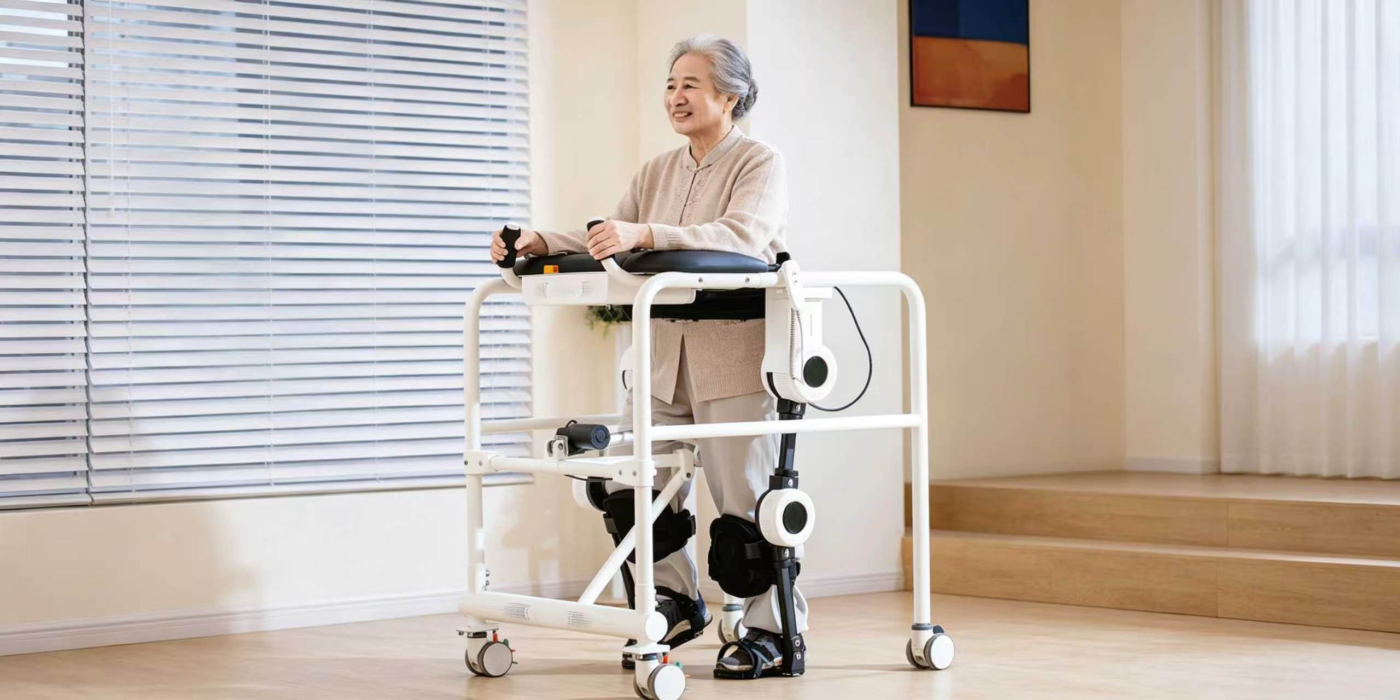
Modern exoskeleton legs for elderly persons are being developed to support:
- Age-related muscle weakness
- Balance instability
- Fall prevention
- Mobility assistance
- Rehabilitation support
Unlike traditional walkers or canes, AI-powered robotic exoskeletons actively assist movement while reducing physical strain on aging joints and muscles.
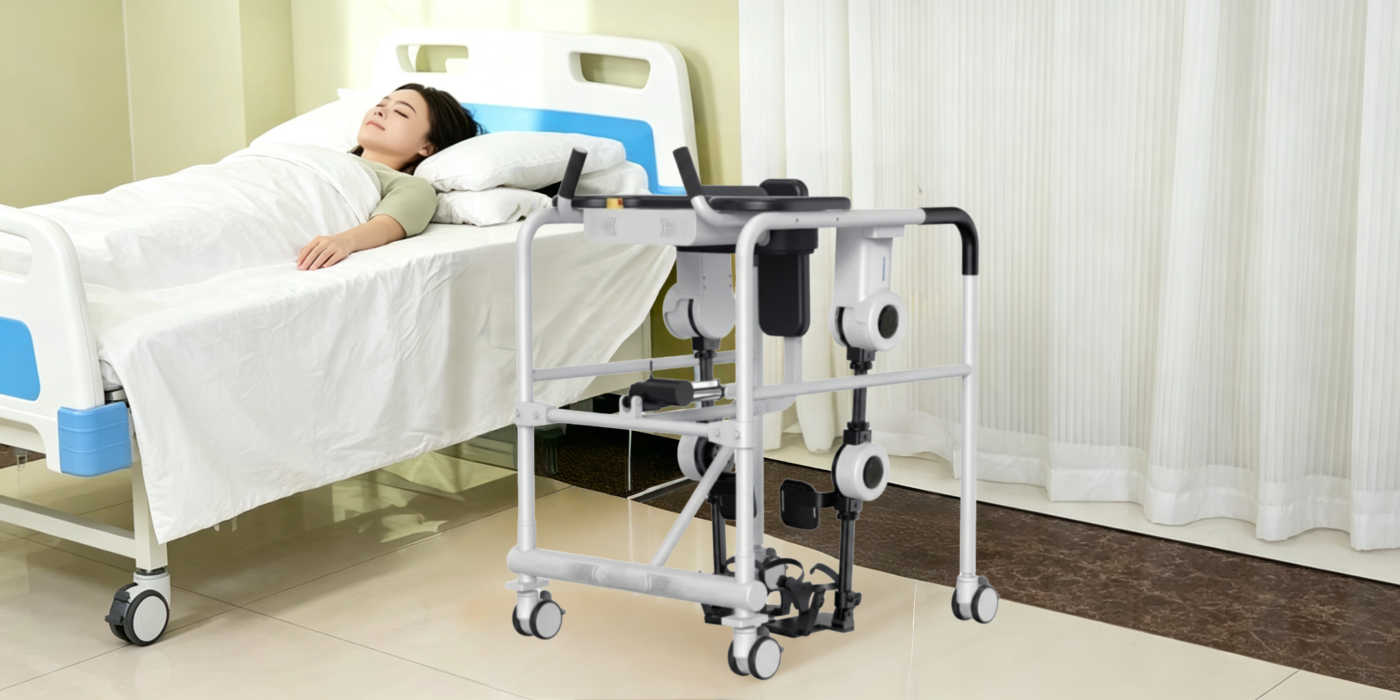
As embodied AI technology advances, wearable robotic mobility systems are expected to become increasingly important in elderly care, rehabilitation clinics, hospitals, and home mobility assistance.
Understanding ReWalk Exoskeleton Price and Market Value
One of the most common questions in the industry is regarding ReWalk exoskeleton price and the overall cost of robotic mobility systems.
The pricing of advanced exoskeleton technology depends on several factors, including:
- AI control systems
- Sensor technology
- Motor performance
- Battery systems
- Medical certifications
- Rehabilitation capabilities
- Custom fitting requirements
As robotics manufacturing scales globally, the cost of wearable robotic mobility solutions is expected to become more accessible over time.
At the same time, the long-term value extends far beyond hardware alone — improved mobility, rehabilitation outcomes, independence, and quality of life represent transformative benefits for users and healthcare providers alike.
Beyond Robotics: Engineering Human Freedom
As we continue expanding advanced robotic manufacturing globally, we remain committed to the philosophy that inspired our journey from the very beginning.
True innovation should never be measured solely by algorithm complexity or motor torque.
It should be measured by:
- A parent standing up to hug their child again
- A patient taking their first assisted steps during rehabilitation
- An elderly individual regaining confidence while walking independently
- A person reclaiming dignity through movement
We are not simply manufacturing robotic hardware.
We are engineering freedom through intelligent mobility technology.
Because ultimately, technology must always serve people.
Join the Future of Intelligent Mobility
Whether you are:
- A rehabilitation clinic director
- A healthcare provider
- A robotics distributor
- An elderly care organization
- Or an individual exploring advanced mobility solutions
our AI-powered ReWalk exoskeleton technologies and robotic mobility systems are designed to redefine what human movement can achieve.
The future of mobility is no longer passive.
The future walks beside you.
