









Uncategorized
The AI Ecosystem Enters an Era of Open Collaboration A New Paradigm for Technological Evolution in Robotics
May
Artificial Intelligence is no longer a futuristic concept — it has become the foundational infrastructure driving global industrial transformation. From general-purpose software services to advanced intelligent manufacturing, AI is rapidly reshaping production methods, industrial workflows, and the pace of technological innovation across nearly every sector.
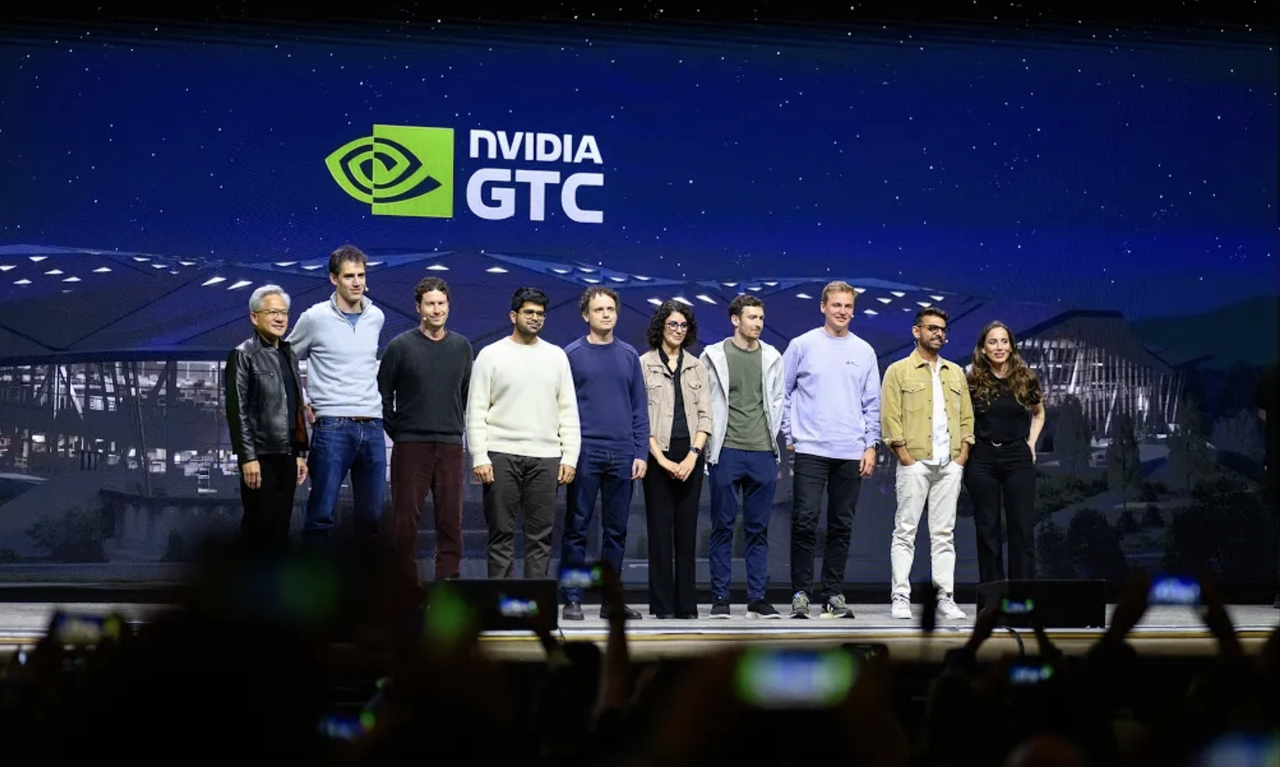
At the latest NVIDIA GTC global technology conference, leading AI companies and industry experts reached a common conclusion: the future of AI innovation will not be defined by closed monopolies, but by an ecosystem where open-source and proprietary models coexist and collaborate.
A single massive foundation model cannot satisfy the needs of every industry. Real industrial deployment requires a complete ecosystem composed of large-scale models, lightweight specialized models, open-source frameworks, and domain-specific AI systems working together seamlessly.
Breaking the False Dichotomy: Open and Proprietary AI Can Coexist
For years, the industry has mistakenly framed open-source AI and proprietary AI as competing opposites.
Today, that perspective is rapidly changing. The latest industry consensus recognizes that openness and proprietary technologies are not mutually exclusive — they are complementary forces capable of strengthening one another.
As AI enters large-scale industrial deployment, the differences between industries become increasingly significant. Healthcare, finance, manufacturing, inspection, logistics, and special operations each possess unique datasets, workflows, safety requirements, and operational environments.
This means:
- No single universal model can solve every industrial problem
- Industries require customizable, fine-tunable, and privately deployable AI systems
- Real-world deployment depends on engineering capabilities such as model adaptation, multimodal integration, and scenario-specific optimization
This logic closely aligns with the technological evolution of the robotics industry and has long been a guiding principle behind CBSH Robot’s intelligent robotics strategy.
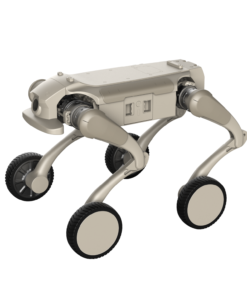
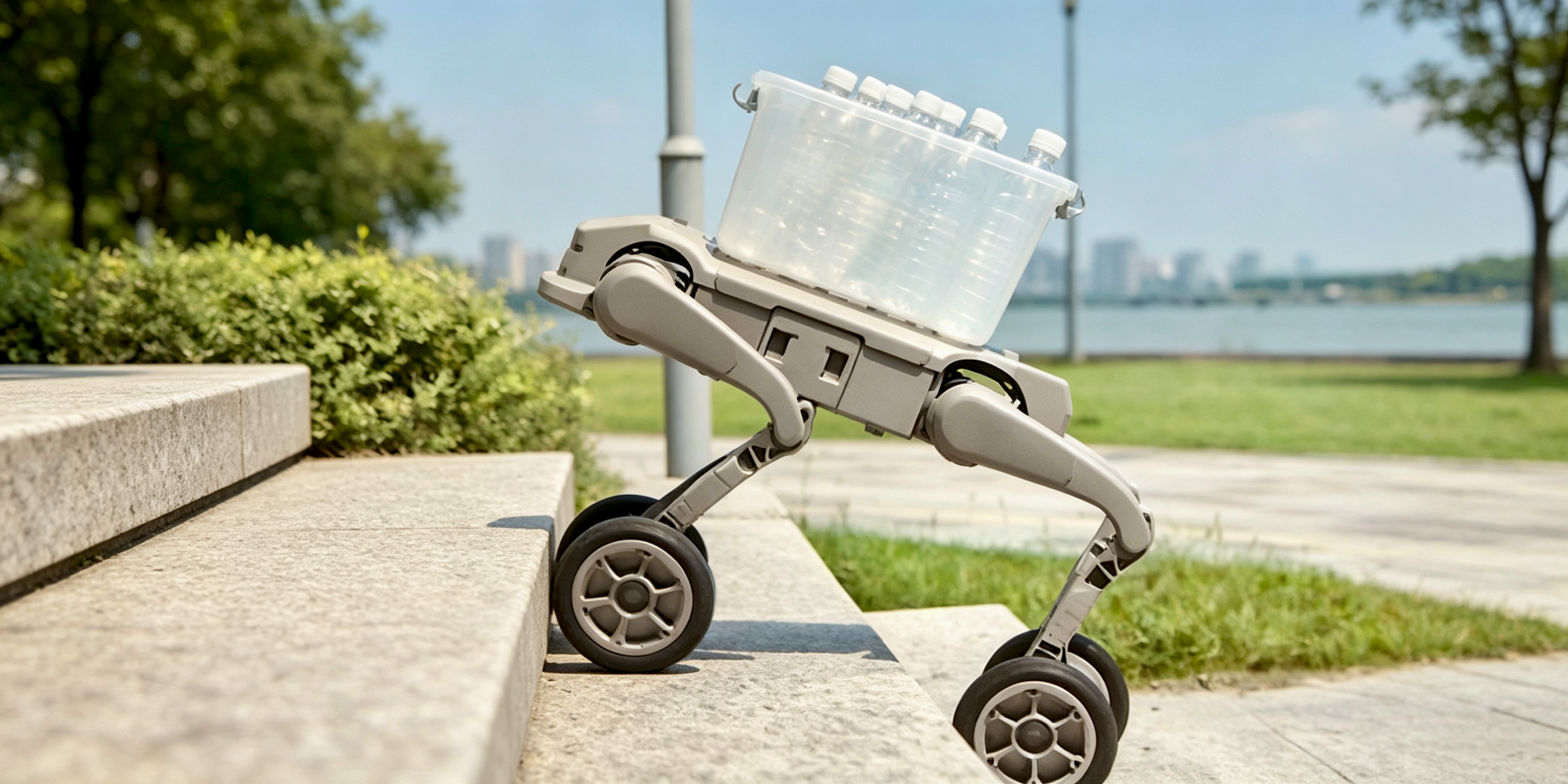
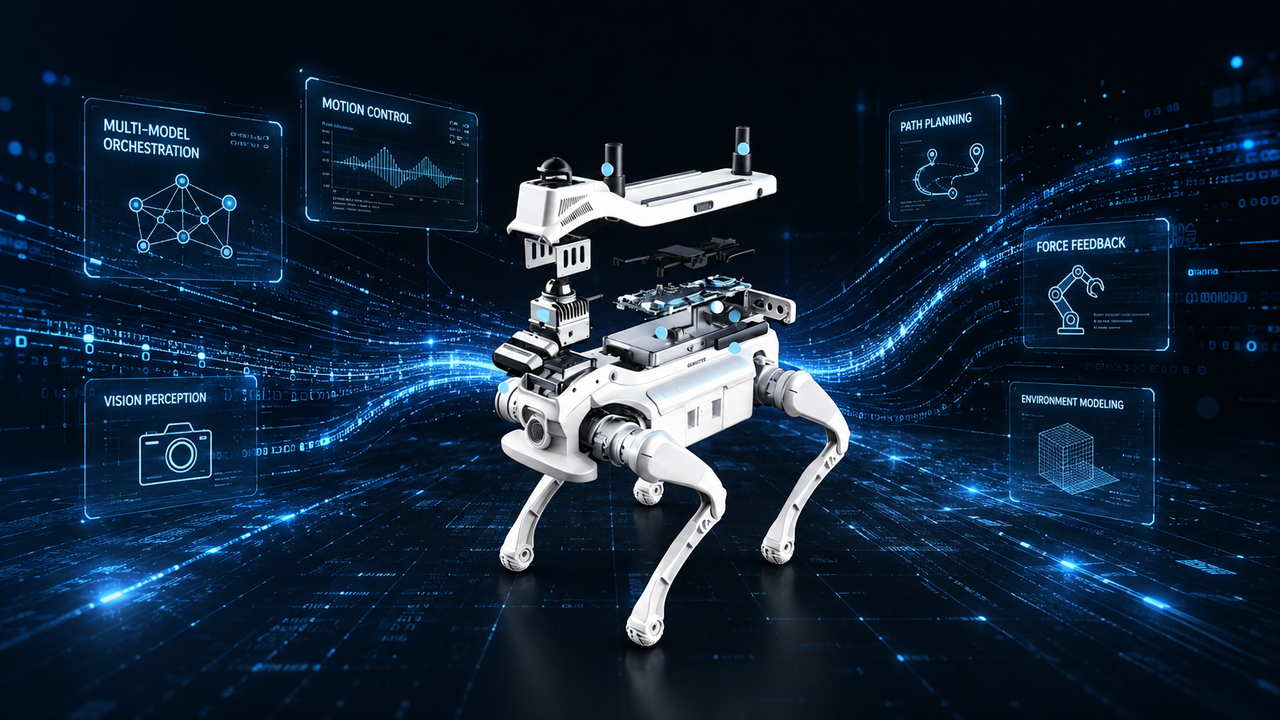
Whether in quadruped robot mobility, precision force control for robotic arms, autonomous inspection robots, or intelligent operational systems, robotics has never relied on a single algorithm. Instead, it is fundamentally a systems engineering discipline built upon multi-model orchestration, task collaboration, and scenario-driven optimization.
We firmly believe that the next generation of embodied AI robots must combine the advantages of open AI ecosystems with proprietary control technologies to achieve truly reliable industrial- and commercial-grade deployment.
Five Core Trends Shaping the Global AI Industry — and the Future of Robotics
Several industry roundtable discussions at GTC highlighted five critical trends currently reshaping the AI ecosystem. These trends strongly align with the intelligent robotics roadmap and product evolution strategy of CBSH Robot.
01. AI Agents Are Evolving from Tools into Autonomous Industrial Partners
Future AI agents will no longer function as simple command executors. Instead, they will become autonomous collaborators capable of long-term operation, task planning, and complex workload management.
Many repetitive and time-consuming tasks — including debugging, perception optimization, path planning, and task scheduling — will increasingly be handled autonomously by AI agents, significantly reducing development and deployment costs for robotics systems.
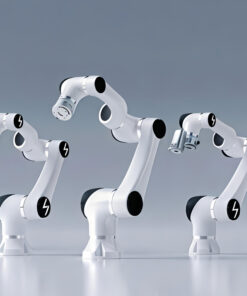
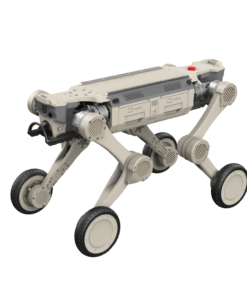
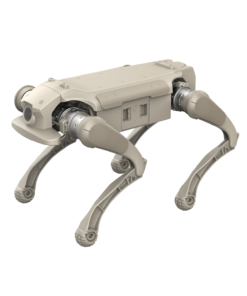
CBSH Robot is actively integrating AI agent collaboration frameworks into robotics development, enabling autonomous task planning, motion algorithm optimization, and multi-device coordination for quadruped robots and collaborative robotic arms.
This evolution allows robots to move beyond passive command execution and toward higher levels of autonomous decision-making.
02. Industrial Intelligence Depends on System Orchestration — Not a Single Large Model
True industrial intelligence does not rely on one “all-powerful” model.
Instead, it depends on intelligent orchestration across multiple models, modalities, and cloud systems.
Users and enterprises should not need to care which model performs best for a specific task — the system itself should automatically decompose tasks, allocate models, and integrate outputs efficiently.
In robotics, this means the following systems must operate collaboratively:
- Visual perception
- Force-control algorithms
- Motion control
- Environmental modeling
- Path planning
- Fault diagnosis
Together, these multi-model systems enable safer, smarter, and more reliable autonomous robotics.
This is precisely the technological direction pursued by CBSH Robot.
Rather than blindly pursuing a single massive AI model approach, we are building multi-model intelligent systems specifically optimized for embodied robotics applications, including high-precision robotic arm operations, autonomous inspection robots, and next-generation quadruped robotic systems.
03. Embodied AI Will Become the Next Major Industrial Revolution
The future of AI is no longer limited to digital interaction — it is moving into the physical world.
Embodied AI combines intelligent decision-making with real-world robotic execution, enabling robots to perceive, understand, and interact with complex environments autonomously.
As industries increasingly demand automation, labor optimization, and 24/7 operational efficiency, embodied AI robotics will become essential infrastructure across manufacturing, logistics, commercial services, and hazardous operational environments.
CBSH Robot continues to invest heavily in embodied AI technologies, integrating perception systems, autonomous mobility, and intelligent robotic manipulation into scalable commercial-grade robotics platforms.
04. Open Ecosystems Will Accelerate Robotics Innovation
The rapid advancement of AI has demonstrated that open ecosystems significantly accelerate technological progress.
Open-source frameworks, shared datasets, and collaborative developer communities reduce development barriers and enable faster iteration cycles across the industry.
At the same time, proprietary technologies remain essential for delivering stability, safety, reliability, and commercial scalability in industrial robotics deployment.
CBSH Robot believes the future belongs to companies capable of balancing open innovation with proprietary engineering excellence.
By combining open AI ecosystems with advanced robotics control technologies, companies can achieve faster innovation while maintaining industrial-grade performance and reliability.
05. The Future of Robotics Will Be Defined by Human-AI Collaboration
The ultimate goal of AI robotics is not to replace humans, but to enhance human productivity, safety, and operational capability.
Future intelligent robots will increasingly function as collaborative partners that assist humans in dangerous, repetitive, precision-intensive, and high-efficiency tasks.
This includes:
- Industrial inspection
- Smart manufacturing
- Hazardous environment operations
- Warehouse automation
- Commercial service robotics
- Intelligent maintenance systems
CBSH Robot is committed to building intelligent robotic systems that strengthen human-machine collaboration while improving operational efficiency, safety, and scalability for global industries.
Conclusion
The AI industry is entering a new era defined by collaboration rather than isolation.
The future will not belong exclusively to open-source systems or proprietary platforms alone. Instead, it will belong to companies capable of integrating diverse AI technologies into scalable, reliable, and industry-specific intelligent systems.
For the robotics industry, this transformation represents more than technological progress — it signals the emergence of a completely new industrial paradigm.
CBSH Robot will continue advancing embodied AI robotics through multi-model intelligence, autonomous systems, and industrial-grade engineering innovation, helping drive the next generation of intelligent automation worldwide.
