
Uncategorized
Cocktail Robot Revolution: How Automated Cocktail Machines Are Transforming Bars, Hotels & Events in 2026-CBSH Robot
Jun
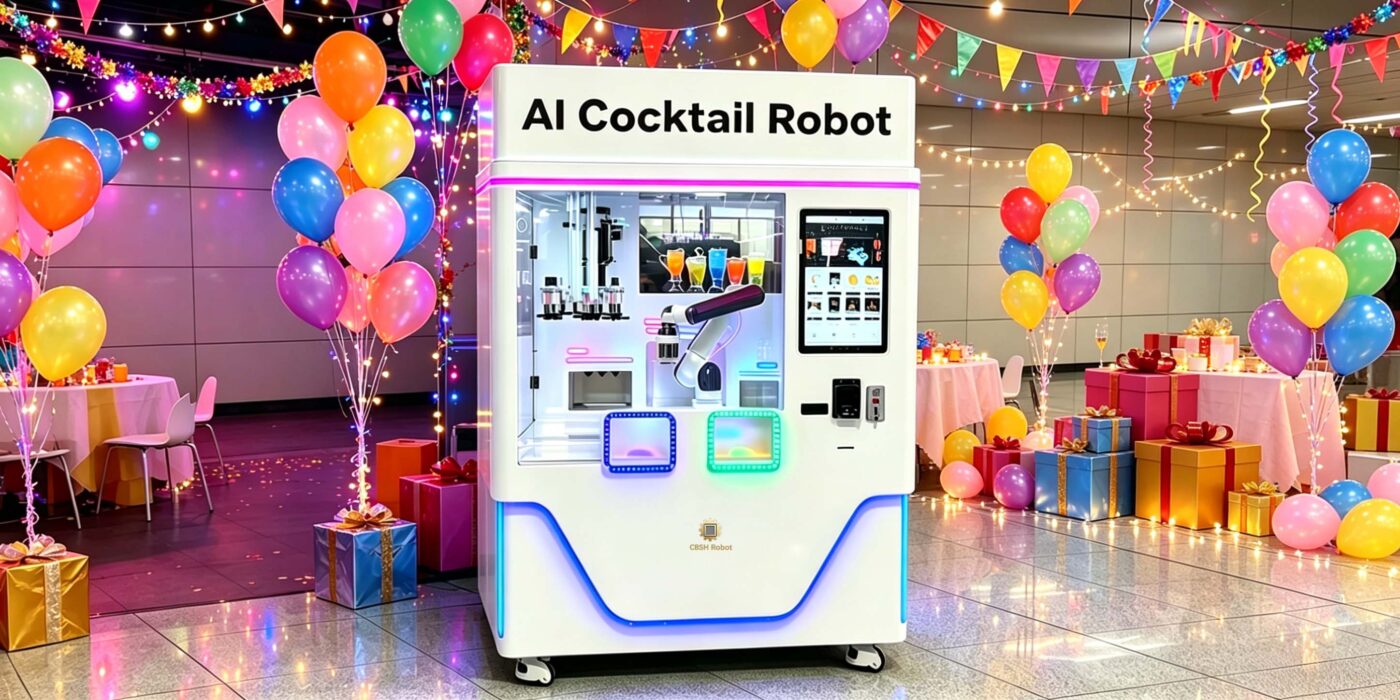
The global beverage and hospitality industry is undergoing a major transformation. One of the most disruptive innovations leading this change is the cocktail robot a fully automated system designed to mix, shake, and serve drinks with precision and speed.
Bars, hotels, restaurants, and event organizers are facing increasing pressure: rising labor costs, inconsistent drink quality, and the need for faster service during peak hours. A traditional bartender, no matter how skilled, has limitations in speed and consistency.
This is where a cocktail robot and modern cocktail machine systems come in.
These machines are not just gimmicks—they are scalable business tools. From high-volume nightclubs to airport lounges and luxury hotels, automated drink systems are redefining how beverages are served.
In this guide, we will explore how mixed drink machines, margarita machines, and systems like Bartesian machines and Bartesian pods are shaping the future of beverage automation—and how B2B buyers can benefit from this growing market.
- What is a Cocktail Robot?
- How a Cocktail Machine Works
- Types of Automated Drink Systems
- Key Benefits for B2B Buyers
- Market Demand & Industry Trends
- Real-World Use Cases
- Pros of Cocktail Robots
- Expert Tips for Importers & B2B Buyers
- FAQ Section
- What is a cocktail robot used for?
- How does a cocktail machine work?
- What is the difference between a cocktail robot and a mixed drink machine?
- Are Bartesian machines professional or home-use?
- Is investing in a cocktail machine profitable?
- Can cocktail robots replace bartenders completely?
- What drinks can a cocktail robot make?
- Conclusion
What is a Cocktail Robot?
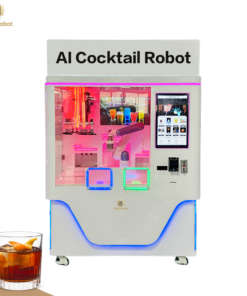
A cocktail robot is an automated system designed to prepare alcoholic and non-alcoholic beverages using pre-programmed recipes. It combines robotics, fluid dispensing systems, and smart software to replicate the actions of a professional bartender.
Unlike traditional bar setups, a cocktail robot can:
- Measure exact ingredient quantities
- Shake or mix drinks consistently
- Serve multiple orders simultaneously
- Reduce human error in drink preparation
Most modern systems are built using modular design, allowing businesses to customize drink menus based on location demand.
For B2B buyers, this means one thing: scalability without increasing labor costs.
How a Cocktail Machine Works
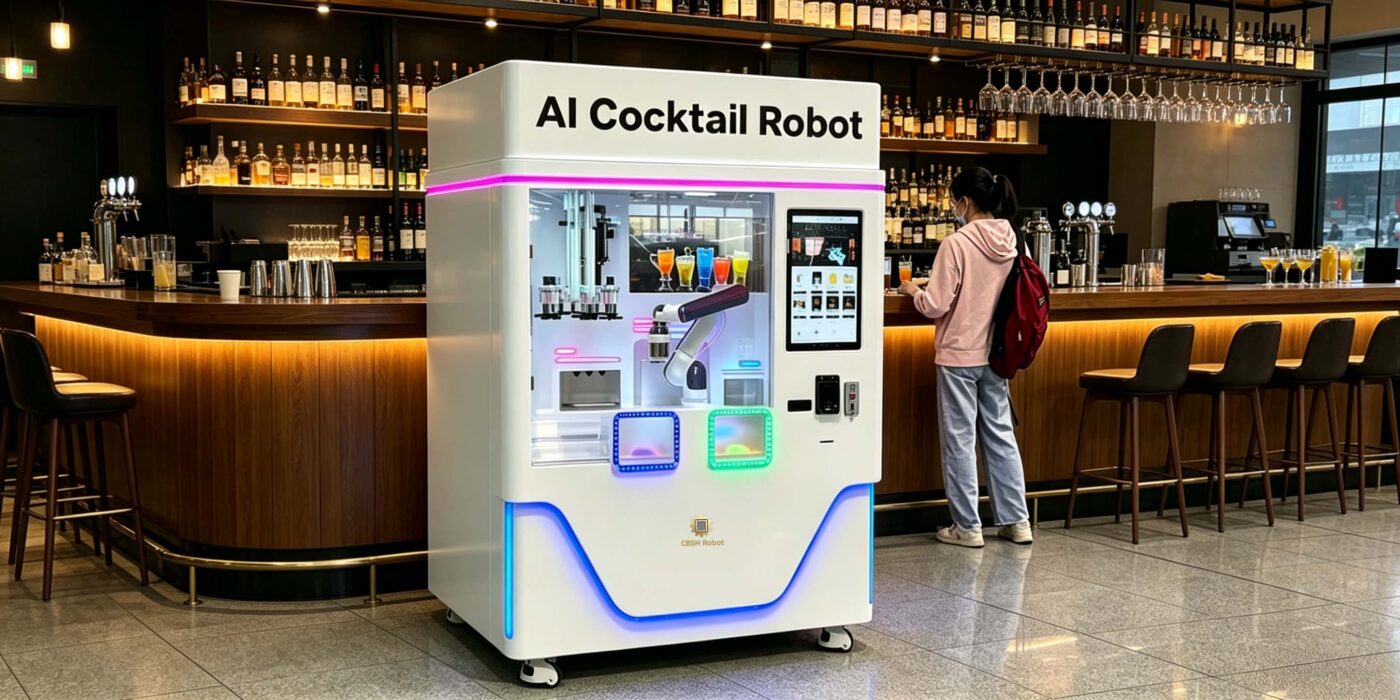
A cocktail machine operates using a combination of:
- Liquid reservoirs (spirits, juices, syrups)
- Pumping system
- Digital recipe database
- Touchscreen or app interface
- Mixing/shaking mechanism
Basic Workflow:
- Customer selects a drink via screen or mobile app
- System identifies recipe
- Precise ingredients are dispensed
- Mixing or shaking is performed automatically
- Drink is served in under 30–60 seconds
Some advanced systems even integrate AI to track consumption trends and suggest popular drinks based on time of day or customer demographics.
Types of Automated Drink Systems
Cocktail Robot
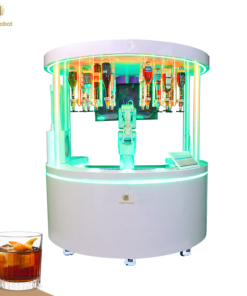
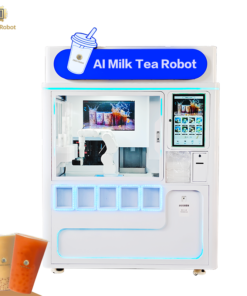
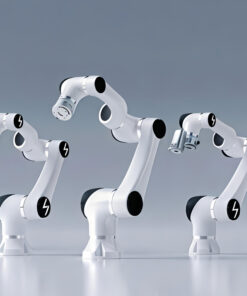
The cocktail robot is the most advanced category, often seen in high-end venues, exhibitions, and luxury hotels. It uses robotic arms or multi-nozzle dispensing systems.
Best for:
- Airports
- Nightclubs
- Luxury hotels
- Exhibition centers
Mixed Drink Machine
A mixed drink machine is a simpler automated dispenser designed for speed and efficiency rather than theatrical presentation.
Best for:
- Sports venues
- Bars with high turnover
- Cruise ships
Margarita Machine
A margarita machine is a specialized system designed for frozen cocktails. It blends ice, tequila, lime mix, and flavoring into a consistent frozen drink.
Best for:
- Beach bars
- Resorts
- Summer festivals
Bartesian Cocktail Maker Systems
The Bartesian cocktail maker is a capsule-based system similar to coffee pod machines.
How Bartesian-style systems work:
- Insert a Bartesian pod (pre-measured cocktail capsule)
- Select drink strength
- Machine mixes alcohol with pod ingredients
- Fresh cocktail is dispensed instantly
This system is extremely popular in home and premium office environments.
Best for:
- Home luxury market
- Executive lounges
- Boutique hotels
Key Benefits for B2B Buyers
For importers and business owners, investing in a cocktail robot or cocktail machine provides measurable advantages.
1. Labor Cost Reduction
One machine can replace 1–3 bartenders during peak hours.
2. Consistent Drink Quality
Every cocktail is mixed with exact measurements.
3. Faster Service Speed
Average serving time drops to under 60 seconds.
4. Higher Revenue per Square Meter
Machines can operate continuously without fatigue.
5. Branding & Customer Experience
Cocktail robots attract attention and improve customer engagement.
Market Demand & Industry Trends
The global automated beverage system market has seen strong growth due to:
- Rising labor shortages in hospitality
- Increased automation adoption in food service
- Demand for contactless service post-pandemic
- Growth of smart hospitality systems
Industry reports suggest automation in hospitality could grow at 8–12% CAGR over the next 5 years, especially in Asia-Pacific, North America, and the Middle East.
Hotels and entertainment venues are increasingly adopting cocktail machines as part of digital transformation strategies.
Real-World Use Cases
Case Study 1: Airport Lounge Automation
An international airport installed cocktail robots in VIP lounges. Result:
- 35% faster beverage service
- Reduced staffing requirements by 40%
- Increased customer satisfaction scores
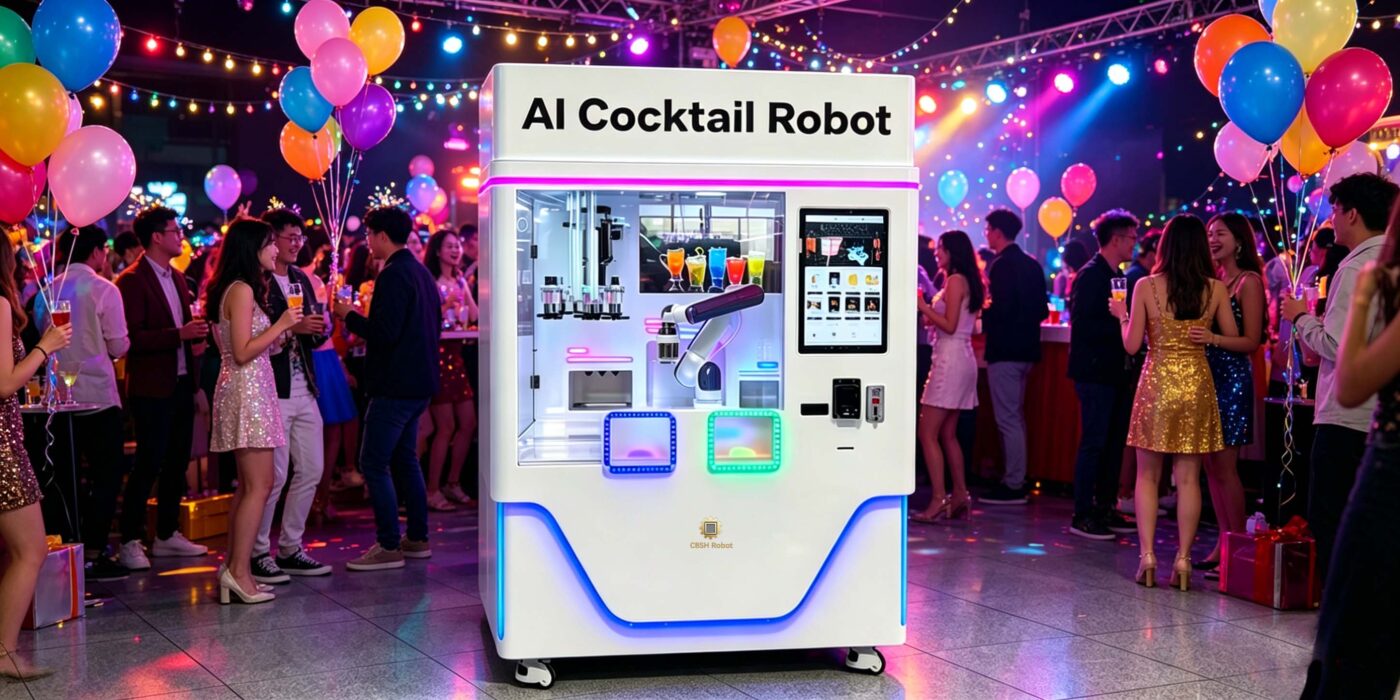
Case Study 2: Nightclub Deployment
A nightclub introduced a cocktail machine bar station:
- Peak-hour wait time reduced from 12 minutes to 3 minutes
- Beverage sales increased by 22%
- Social media engagement improved due to “robot bartender” attraction
Case Study 3: Hotel Chain Integration
A luxury hotel group installed Bartesian-style machines in executive suites:
- Increased room upgrade bookings
- Higher minibar revenue
- Premium guest experience enhancement
Pros of Cocktail Robots
Pros
- High efficiency and speed
- Reduced operational costs
- Consistent taste and quality
- Easy to scale across multiple locations
- Attractive marketing feature
Expert Tips for Importers & B2B Buyers
If you are sourcing a cocktail robot or cocktail machine from China or OEM factories, consider the following:
1. Check Ingredient System Compatibility
Ensure it supports international liquor bottle sizes and local ingredients.
2. Evaluate Software Flexibility
A good machine should allow custom drink programming.
3. After-Sales Support Matters
Look for suppliers offering remote diagnostics and spare parts availability.
4. Hygiene & Cleaning System
Automated cleaning cycles are critical for commercial use.
5. ROI Calculation Before Purchase
Estimate:
- Daily drink volume
- Labor cost savings
- Maintenance cost
- Revenue increase potential
A good cocktail robot can typically pay back investment within 6–18 months depending on location.
FAQ Section
What is a cocktail robot used for?
A cocktail robot is used to automatically prepare and serve drinks in bars, hotels, events, and lounges with high speed and consistency.
How does a cocktail machine work?
It uses programmed recipes, liquid pumps, and mixing systems to dispense and prepare drinks automatically.
What is the difference between a cocktail robot and a mixed drink machine?
A cocktail robot is more advanced with robotics and automation, while a mixed drink machine focuses on speed and basic dispensing.
Are Bartesian machines professional or home-use?
Bartesian machines are primarily designed for home and small hospitality environments using Bartesian pods.
Is investing in a cocktail machine profitable?
Yes, in high-traffic locations, it can significantly reduce labor costs and increase service speed, improving ROI.
Can cocktail robots replace bartenders completely?
Not entirely. They handle repetitive tasks but human bartenders are still needed for creativity and customer interaction.
What drinks can a cocktail robot make?
Most systems can make margaritas, mojitos, whiskey cocktails, vodka mixes, and customized drinks depending on programming.
Conclusion
The rise of the cocktail robot marks a major shift in the hospitality industry. From automated cocktail machines in high-end hotels to mixed drink machines in stadiums and Bartesian cocktail makers in premium lounges, automation is no longer optional—it is becoming a competitive advantage.
For B2B buyers, importers, and hospitality investors, this technology offers a clear path toward higher efficiency, better customer experience, and stronger profit margins.
As global demand for automation continues to rise, businesses that adopt smart beverage systems early will hold a strong market position in the coming years.
