





Uncategorized
Educational Robot: The Future of Smart Learning and Why Global Buyers Are Investing Now
Jun
The global education industry is undergoing a digital transformation, and one product category is leading the way: the educational robot.
Parents, schools, learning centers, and governments are increasingly investing in technology-driven learning tools that make education more interactive, engaging, and effective. As a result, educational robots have become one of the fastest-growing segments in the educational toys market.
For importers, distributors, wholesalers, and educational product brands, this presents a significant business opportunity. Demand for educational robots is rising across North America, Europe, the Middle East, and Asia-Pacific markets.
In this comprehensive guide, you’ll learn:
- What educational robots are
- Why they are becoming popular worldwide
- Market opportunities for importers
- How educational robots compare to traditional educational toys
- Key sourcing considerations from China
- Future trends shaping the industry
Whether you’re an educational product distributor or looking to expand your product portfolio, this guide will help you understand the growing educational robot market.
- What Is an Educational Robot?
- Why Educational Robots Are Becoming Popular
- Enhanced Problem-Solving Skills
- Improved Creativity
- Early Coding Skills
- Better Communication Skills
- Increased Learning Motivation
- Preschool Toys (Ages 3–5)
- Educational Toys for 5 Year Olds
- Ages 6–12
- Rising Demand for AI Education
- Smart Classroom Adoption
- Expansion of Coding Education
- Growth of Home Learning
- Example: Primary School STEM Program
- Competitive Pricing
- OEM and ODM Services
- Strong Supply Chain
- Innovation Capabilities
- Pros
- Cons
- Focus on Educational Value
- Choose Age-Specific Products
- Verify Certifications
- Invest in Branding
- Work with Experienced Manufacturers
- What is an educational robot?
- Are educational robots suitable for preschool children?
- Why are educational robots becoming popular?
- What age is best for educational robots?
- Are educational robots better than traditional educational toys?
- Can educational robots help with coding?
- Why should importers source educational robots from China?
What Is an Educational Robot?
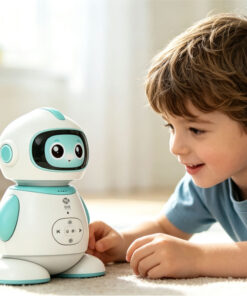
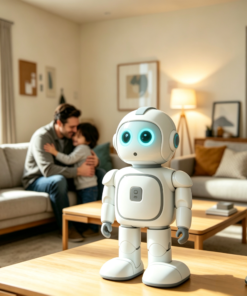
An educational robot is a programmable or interactive robotic device designed to help children develop cognitive, creative, and problem-solving skills through hands-on learning experiences.
Unlike conventional toys, educational robots combine multiple learning elements such as:
- Artificial Intelligence (AI)
- Coding education
- STEM learning
- Interactive communication
- Language development
- Mathematical thinking
- Creativity enhancement
Modern educational robots can teach children through games, storytelling, voice interaction, coding challenges, and real-world simulations.
Popular applications include:
- Preschool education
- STEM classrooms
- Home learning
- Language training
- Robotics competitions
- Coding programs
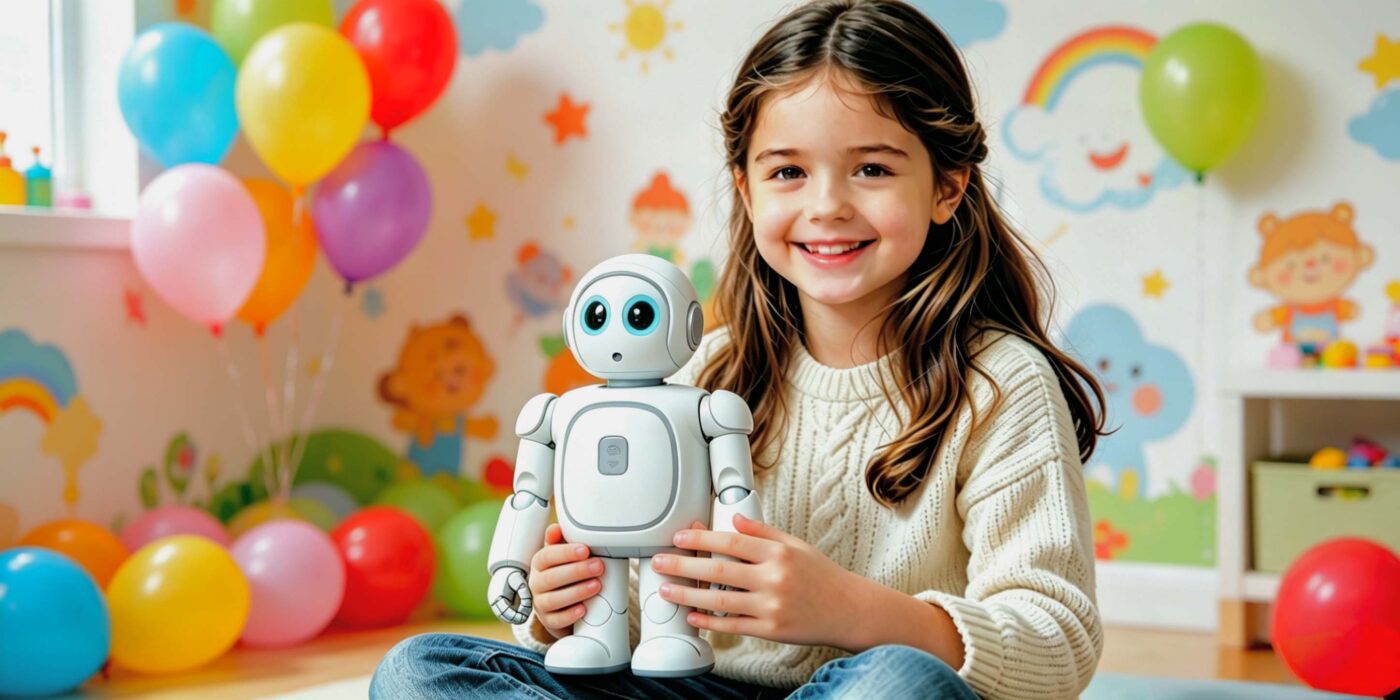
Why Educational Robots Are Becoming Popular
Several factors are driving the rapid adoption of educational robots worldwide.
1. Growing Demand for STEM Education
Governments and schools increasingly emphasize Science, Technology, Engineering, and Mathematics (STEM) learning.
Educational robots make these subjects more engaging by allowing children to learn through practical experimentation rather than memorization.
2. Interactive Learning Experience
Children learn more effectively when they actively participate.
Educational robots encourage:
- Hands-on exploration
- Problem-solving
- Critical thinking
- Collaboration
- Creativity
3. AI-Powered Learning
Modern robots can adapt to a child’s learning pace, making education more personalized.
AI features include:
- Voice recognition
- Interactive conversations
- Adaptive lessons
- Learning progress tracking
4. Screen-Free Learning Alternative
Many parents seek alternatives to excessive smartphone and tablet usage.
Educational robots provide technology-enhanced learning while promoting active engagement.
Educational Robots vs Traditional Educational Toys
Many buyers ask whether educational robots are simply advanced educational toys.
The answer is both yes and no.
| Feature | Educational Toys | Educational Robot |
|---|
| Interactive Learning | Limited | Advanced |
| AI Integration | No | Yes |
| Coding Education | Rare | Common |
| Voice Interaction | No | Yes |
| Adaptive Learning | No | Yes |
| STEM Development | Basic | Advanced |
| Long-Term Engagement | Moderate | High |
Traditional educational toys remain valuable, but educational robots provide a deeper and more personalized learning experience.
Benefits of Educational Robots for Children
Enhanced Problem-Solving Skills
Educational robots encourage children to:
- Analyze situations
- Test solutions
- Learn from mistakes
- Improve logical thinking
These skills are valuable throughout life.
Improved Creativity
Children can build, customize, and program robots to complete various tasks.
This promotes:
- Imagination
- Innovation
- Design thinking
Early Coding Skills
Coding is becoming a fundamental literacy skill.
Many educational robots introduce coding concepts through:
- Visual programming
- Drag-and-drop coding
- Interactive challenges
Better Communication Skills
AI-powered educational robots often include:
- Voice conversations
- Language exercises
- Storytelling functions
This helps improve communication and language development.
Increased Learning Motivation
Learning becomes more enjoyable when children interact with intelligent devices rather than traditional textbooks.
Educational Robots for Different Age Groups
Preschool Toys (Ages 3–5)
For younger children, educational robots focus on:
- Alphabet learning
- Numbers
- Colors
- Basic communication
- Storytelling
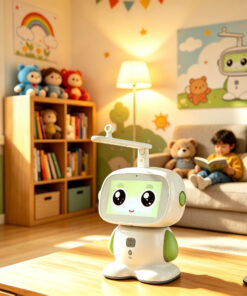
Many parents searching for preschool toys are now choosing beginner educational robots because they combine entertainment and learning.
Educational Toys for 5 Year Olds
At age five, children begin developing stronger logical thinking abilities.
Popular features include:
- Simple coding games
- Interactive quizzes
- Problem-solving activities
- Music and language learning
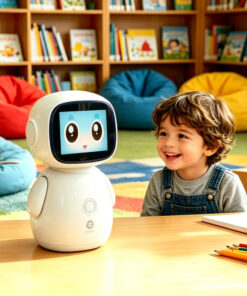
Educational robots designed as educational toys for 5 year olds help bridge the gap between play and structured learning.
Ages 6–12
Children in this group can explore:
- Programming
- Robotics engineering
- Artificial intelligence concepts
- STEM projects
These products are highly popular in schools and learning centers.
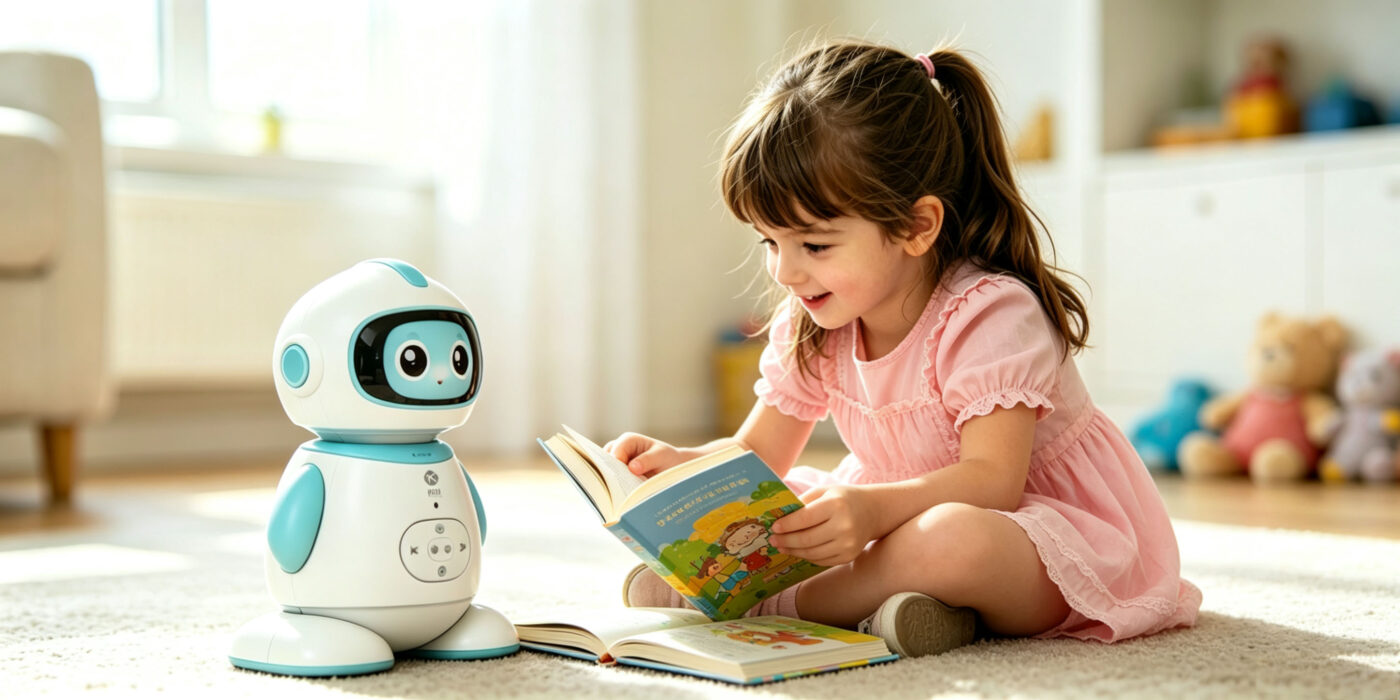
How Educational Robots Support Learning Resources Toys
The category of learning resources toys continues to expand globally.
Educational robots complement traditional learning resources by offering:
Real-Time Feedback
Children receive immediate responses to their actions.
Personalized Learning
The robot adjusts difficulty levels according to performance.
Multi-Subject Learning
One robot can teach:
- Mathematics
- Science
- Language
- Logic
- Creativity
Continuous Updates
Many robots receive software updates, extending product lifespan and educational value.
Global Market Trends and Opportunities
The educational technology market is experiencing strong growth worldwide.
Key trends include:
Rising Demand for AI Education
Parents increasingly recognize the importance of AI literacy.
Educational robots provide an accessible introduction to emerging technologies.
Smart Classroom Adoption
Schools are integrating robotics into their curriculum to prepare students for future careers.
Expansion of Coding Education
Countries worldwide are introducing coding programs in primary education.
Educational robots support these initiatives.
Growth of Home Learning
Since remote and hybrid learning became more common, families continue investing in educational technology products.
For importers and distributors, this creates significant opportunities across multiple markets.
How Schools Are Using Educational Robots
Educational institutions increasingly use robots for:
STEM Programs
Robots help students understand engineering and programming concepts.
Language Learning
Interactive robots can assist with pronunciation and communication practice.
Special Education
Some educational robots support children with learning challenges by providing consistent and patient interaction.
Team Projects
Students collaborate to solve problems and complete robotics challenges.
Educational Robot Case Study
Example: Primary School STEM Program
A primary school introduced educational robots into its weekly STEM curriculum.
Results after one academic year:
- Higher student engagement
- Increased participation in science activities
- Improved coding comprehension
- Better teamwork skills
Teachers reported that students were more motivated to learn when lessons involved robotics activities.
This demonstrates why educational robots continue gaining popularity in educational environments.
Sourcing Educational Robots from China
China has become the world’s leading manufacturing hub for educational technology products.
Advantages include:
Competitive Pricing
Chinese manufacturers offer attractive pricing for distributors and importers.
OEM and ODM Services
Businesses can create private-label educational robots with custom branding.
Strong Supply Chain
China’s electronics ecosystem supports efficient production and scalability.
Innovation Capabilities
Many factories invest heavily in AI, robotics, and smart learning technologies.
When sourcing educational robots, buyers should evaluate:
- Product certifications
- Safety standards
- Software support
- Manufacturing capacity
- Quality control systems
- After-sales service
Pros and Cons of Educational Robots
Pros
✓ Interactive learning experience
✓ Supports STEM education
✓ Develops coding skills
✓ Encourages creativity
✓ Long-term educational value
✓ High market demand
✓ Attractive profit potential for distributors
Cons
✗ Higher price than traditional toys
✗ Requires software maintenance
✗ May need periodic updates
✗ Some products require internet connectivity
Expert Tips for Educational Toy Importers
Focus on Educational Value
Avoid competing solely on price.
Products with stronger educational features often generate higher customer satisfaction and repeat sales.
Choose Age-Specific Products
Offer solutions for:
- Preschool toys
- Educational toys for 5 year olds
- Primary school students
- STEM learning programs
Verify Certifications
Ensure compliance with:
- CE
- FCC
- RoHS
- ASTM
- CPSIA
depending on target markets.
Invest in Branding
Private-label educational robots can create long-term brand value and customer loyalty.
Work with Experienced Manufacturers
Reliable suppliers provide:
- Product updates
- Technical support
- Stable quality
- Consistent inventory
Frequently Asked Questions (FAQ)
What is an educational robot?
An educational robot is an interactive robotic device designed to teach children skills such as coding, STEM concepts, language development, creativity, and problem-solving.
Are educational robots suitable for preschool children?
Yes. Many educational robots are specifically designed as preschool toys and focus on early learning concepts like numbers, letters, colors, and communication.
Why are educational robots becoming popular?
They combine entertainment with learning while supporting STEM education, coding skills, and interactive engagement.
What age is best for educational robots?
Educational robots are available for children as young as three years old and can support learning through adolescence.
Are educational robots better than traditional educational toys?
Educational robots offer advanced interactivity, AI-powered learning, and coding education, while traditional educational toys remain useful for foundational learning.
Can educational robots help with coding?
Yes. Many robots introduce coding through visual programming, games, and interactive activities suitable for beginners.
Why should importers source educational robots from China?
China offers competitive pricing, advanced manufacturing capabilities, OEM/ODM customization, and strong supply chain support.
Conclusion
The educational robot market is transforming the future of learning. As demand for STEM education, coding skills, and interactive learning continues to grow, educational robots are becoming essential tools in homes, schools, and learning centers worldwide.
For importers, distributors, and educational product brands, the opportunity is substantial. Educational robots deliver strong market demand, recurring innovation, and excellent potential for long-term business growth.
By partnering with reliable manufacturers and focusing on high-quality educational solutions, businesses can position themselves at the forefront of one of the fastest-growing segments in the educational technology industry.
Looking for OEM or private-label educational robots from China? Now is the ideal time to explore sourcing opportunities and build a competitive product portfolio for the future of learning.
