











Uncategorized
How Patrol Robots Overcome Doors, Gates, and Elevators in Industrial Facilities
Jul
Imagine a security guard who never sleeps, never gets tired, and never misses a single hallway. That’s exactly what a patrol robot does.
But here’s the tricky part. Big factories and warehouses aren’t just open floors. They’re full of doors, gates, and elevators.
So how does a patrol robot overcome doors, gates, and elevators in an industrial facility? That’s exactly what this guide will show you.
By the end, you’ll understand how these machines move through entire buildings on their own, why businesses are investing in them, and how to pick the right one for your facility.
- 1. What Is a Patrol Robot?
- 2. Why Doors, Gates, and Elevators Are a Big Challenge
- 3. How Patrol Robots Overcome Doors
- 4. How Patrol Robots Overcome Gates
- 5. How Patrol Robots Overcome Elevators
- 6. Real-World Examples and Case Studies
- 7. Pros and Cons of Patrol Robots
- 8. Expert Tips for Choosing a Patrol Robot
- 9. Fun Facts About Robots and Robotics
- 10. FAQ Section
- 11. Conclusion
1. What Is a Patrol Robot?
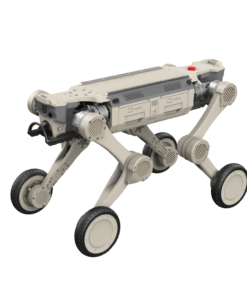
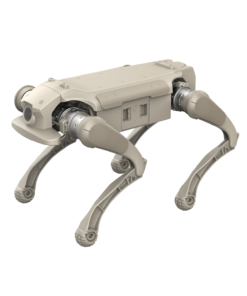
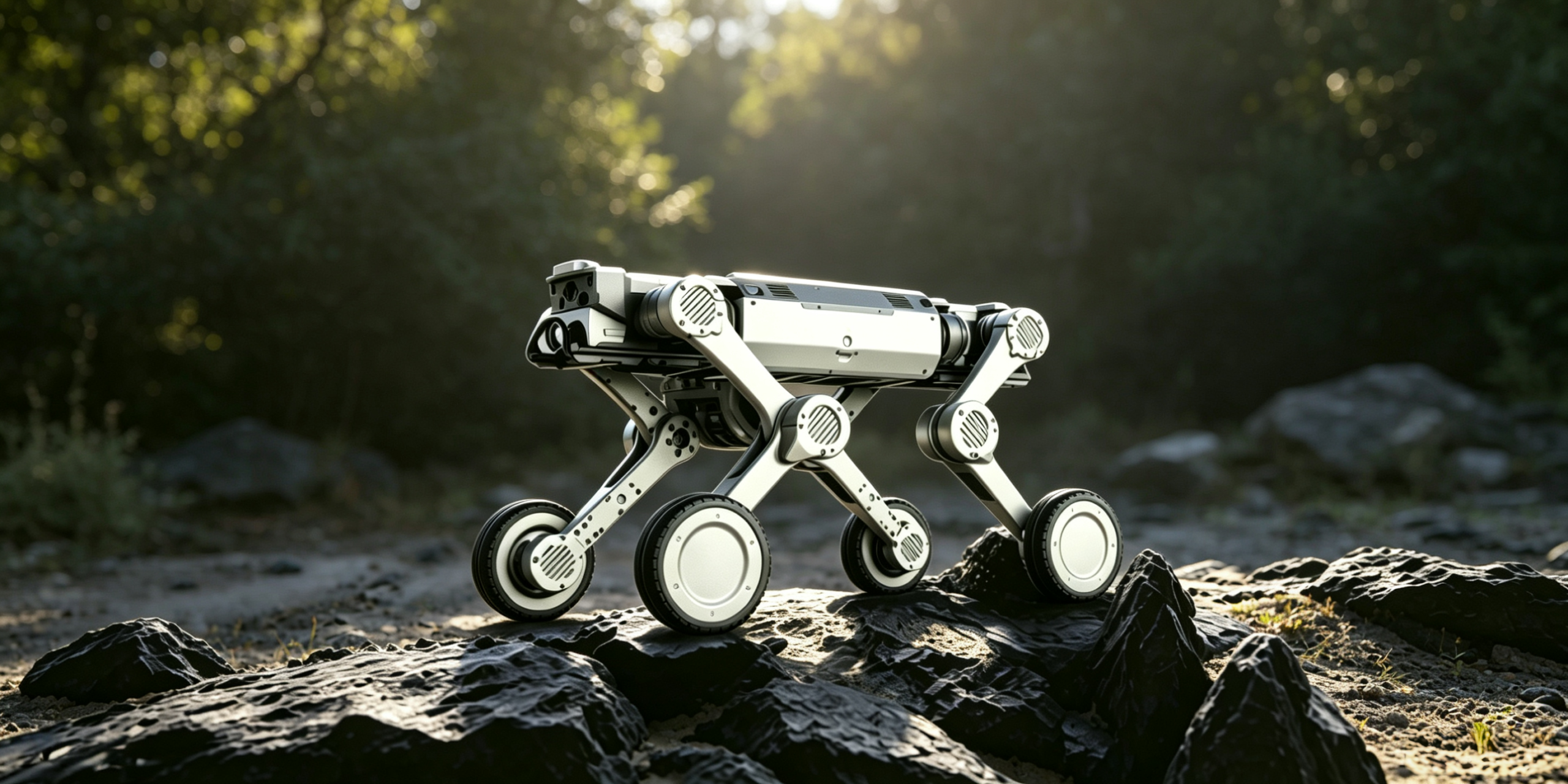
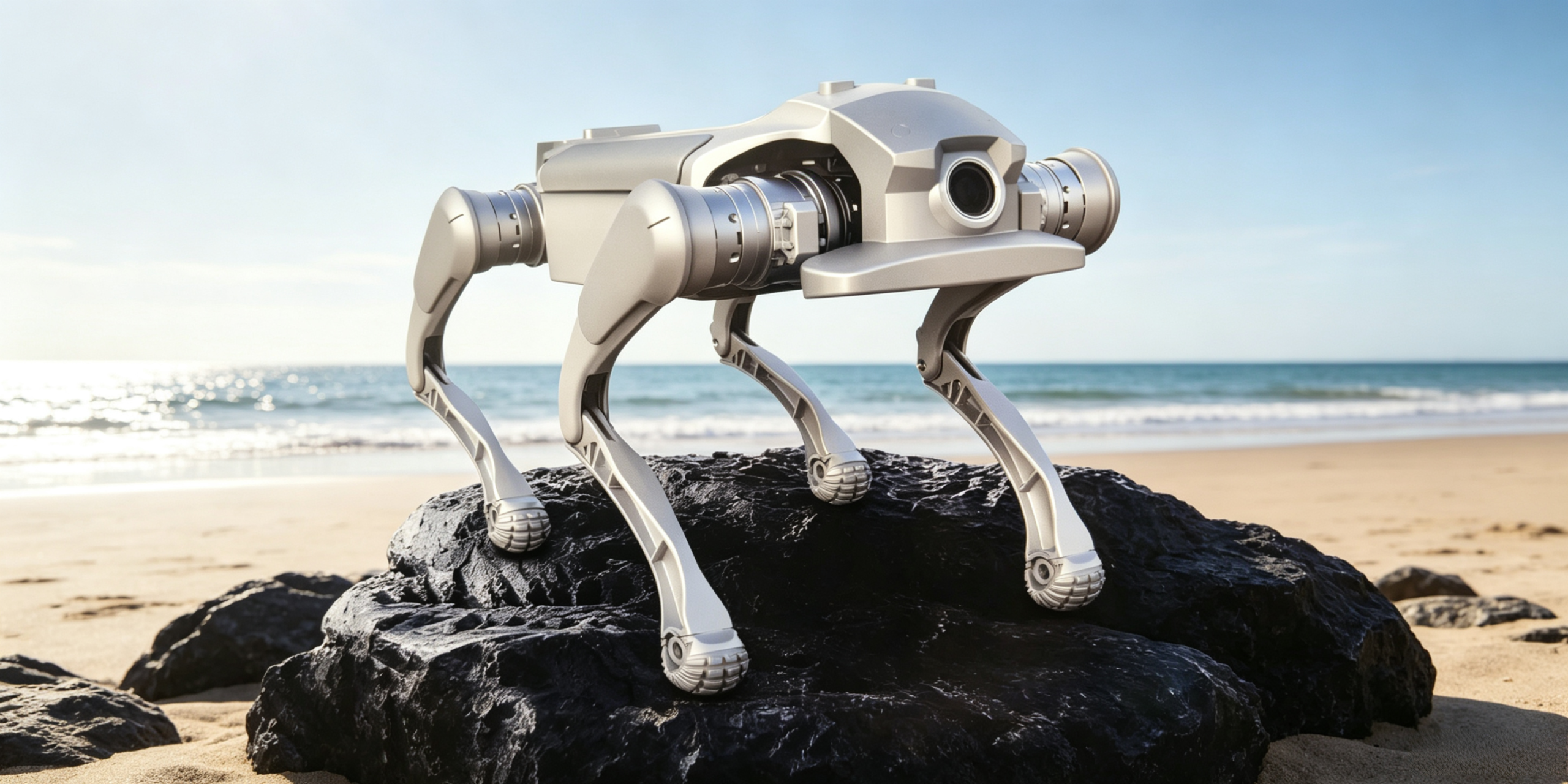
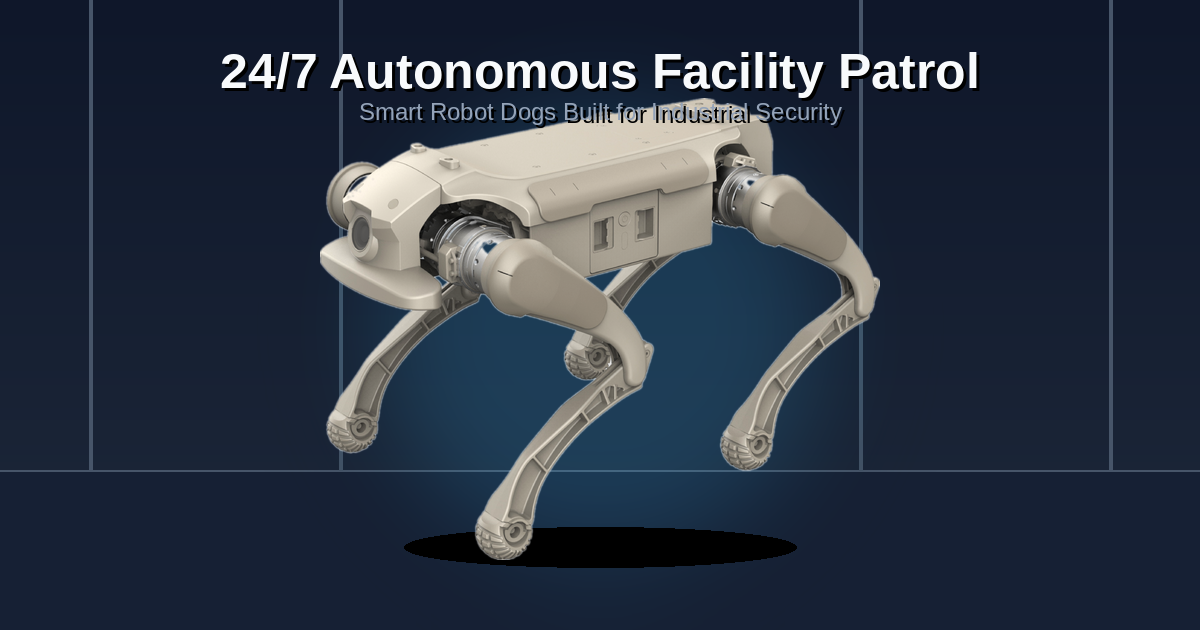
A patrol robot is a self-driving machine built to move around a building and keep watch. Think of it as a security guard on wheels.
It uses cameras, sensors, and smart software to check hallways, storage rooms, and parking areas. Many facilities now use them alongside human guards, not instead of them.
These robots are part of a bigger trend called assembly line robotics and robotics technologies, where machines take on repetitive jobs so people can focus on harder tasks.
Patrol robots don’t just walk in straight lines, though. Real buildings have obstacles. That brings us to the main challenge.
2. Why Doors, Gates, and Elevators Are a Big Challenge
Doors, gates, and elevators aren’t just walls with openings. They’re moving parts with locks, sensors, and timing.
A robot has to:
- Recognize the barrier is there
- Know how to open or trigger it
- Time its movement correctly
- Avoid getting stuck or trapped
Without solving these problems, a patrol robot would be stuck in one room forever. That’s why the top robotics companies spend years perfecting this exact skill.
3. How Patrol Robots Overcome Doors
Doors are the most common obstacle in any facility. Patrol robots use a mix of hardware and software to get through them smoothly.
Sensor-Based Door Detection
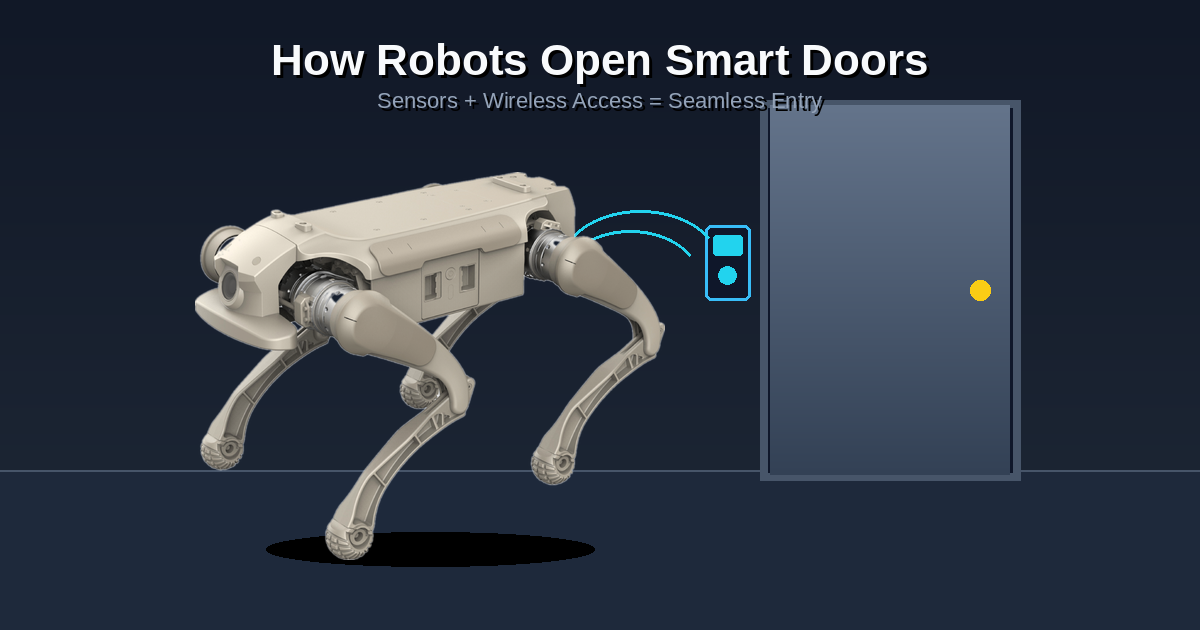
Robots use LiDAR (Light Detection and Ranging) and depth cameras to “see” a door before reaching it. This helps the robot know the exact width, distance, and whether the door is open or closed.
Wireless Door Integration
Many industrial robots connect wirelessly to a building’s access control system. The robot sends a signal, the system unlocks the door, and the robot rolls through.
This is similar to how your phone can unlock a hotel room door using Bluetooth.
Automatic Door Triggers
Some facilities use motion-sensor doors, similar to grocery store entrances. The robot’s movement alone can trigger these to open.
Manual Push Mechanisms
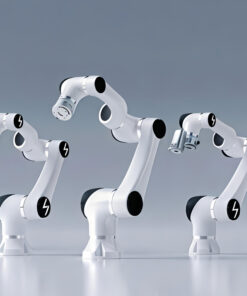
Advanced patrol robots, especially newer models with robotic arms, can physically push or pull lightweight doors open, just like a person would.
Featured Snippet Answer: Patrol robots overcome doors by using sensors to detect them, connecting wirelessly to unlock smart doors, triggering motion sensors, or physically pushing doors open with robotic arms.
4. How Patrol Robots Overcome Gates
Gates are trickier than doors. They’re often outdoors, heavier, and connected to bigger security systems.
Here’s how patrol robots handle them:
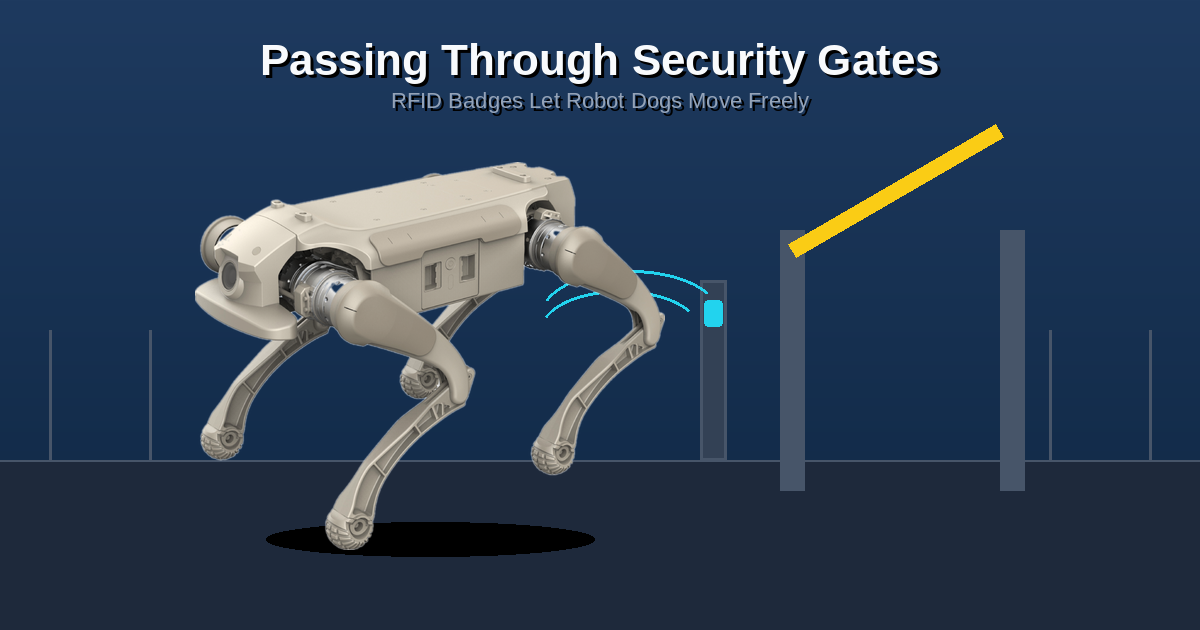
- RFID and badge scanning: The robot carries a digital badge that gates recognize automatically.
- Network-based commands: The robot sends a request through Wi-Fi or a private network, and the gate control system opens it remotely.
- Timed synchronization: The robot’s software predicts gate opening and closing patterns, so it never gets caught in between.
- Fallback rerouting: If a gate won’t open, the robot’s mapping software finds another path automatically.
This last point matters a lot. A good patrol robot doesn’t just stop and wait. It thinks, just like a GPS app rerouting around traffic.
5. How Patrol Robots Overcome Elevators
Elevators are the hardest obstacle of all. Why? Because the robot has to enter a moving box, press the right button, and exit at the correct floor without any hands.
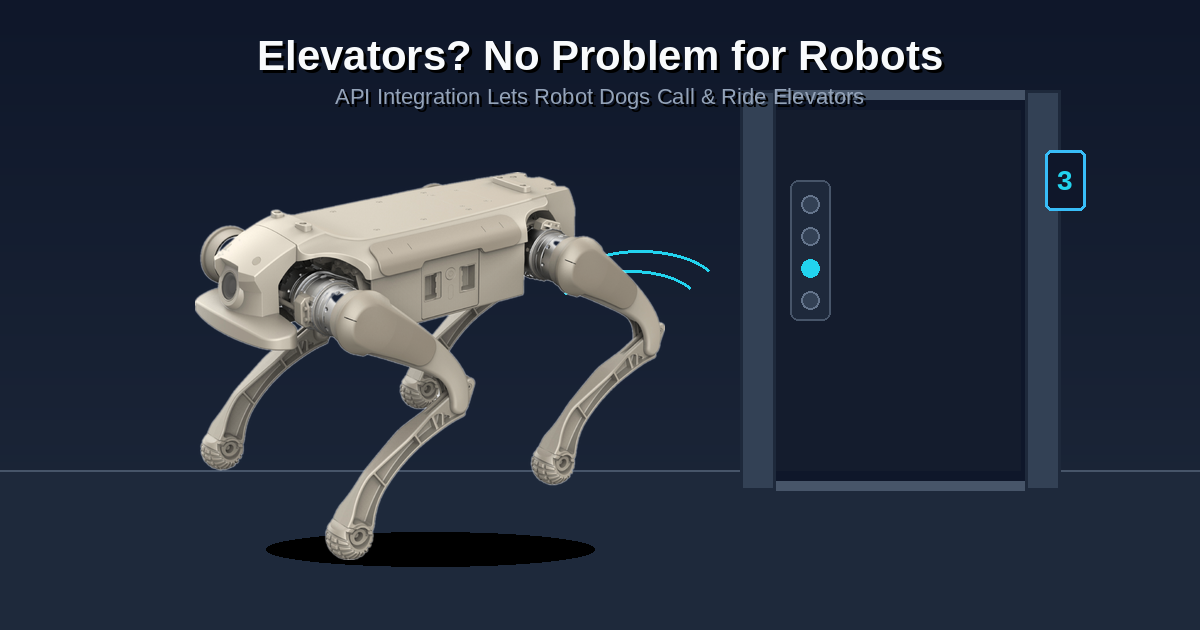
Elevator API Integration
Most modern buildings with smart elevators allow robots to connect directly through software. The robot “calls” the elevator using an API instead of a physical button.
Floor Sensors and Confirmation
Once inside, the robot uses internal sensors to confirm it has reached the right floor before rolling out.
Weight and Space Detection
The robot checks whether there’s enough space inside the elevator using its cameras, so it doesn’t try to squeeze in when it’s full.
Human-Style Button Pressing
Some robots use a small robotic arm to press physical buttons in older buildings that don’t have smart elevator systems yet.
Quick Stat: According to industry reports, facilities using elevator-integrated patrol robots report significantly fewer manual escort delays compared to robots without elevator access.
6. Real-World Examples and Case Studies
Example 1: Warehouse Night Security
A large logistics warehouse replaced two overnight security shifts with one patrol robot. The robot used gate integration and door sensors to check every zone every 45 minutes, something that would have taken a human guard nearly two hours.
Example 2: Multi-Floor Manufacturing Plant
A car parts manufacturer needed patrols across four floors. By connecting the robot to the building’s elevator API, the robot completed full-building sweeps without any human help, even overnight.
Example 3: Data Center with Restricted Gates
A data center used RFID-based gate access so the robot could pass through restricted zones automatically, while still logging every entry for security audits.
These examples show a clear pattern: the more connected a facility is, the smoother the robot’s patrol becomes.
7. Pros and Cons of Patrol Robots
Pros
- Works 24/7 without breaks
- Reduces labor costs over time
- Provides consistent, unbiased monitoring
- Can access doors, gates, and elevators automatically
- Sends real-time alerts and video footage
Cons
- High upfront investment
- Needs a smart, connected building to work best
- Can struggle with very old or manual infrastructure
- Requires occasional maintenance and software updates
- Not a full replacement for human judgment in emergencies
Knowing these trade-offs helps facility managers set realistic expectations before buying.
8. Expert Tips for Choosing a Patrol Robot
If you’re considering a patrol robot for your facility, keep these tips in mind:
- Check building compatibility first. Ask if your doors, gates, and elevators support smart integration.
- Prioritize sensor quality. Better LiDAR and cameras mean fewer stuck robots.
- Ask about rerouting software. A robot that can’t reroute will get stuck often.
- Look at battery life. Longer patrols mean fewer charging interruptions.
- Request a live demo. Watching a robot handle a real door or elevator tells you more than any spec sheet.
A little research upfront saves a lot of headaches later.
9. Fun Facts About Robots and Robotics
Since we’re talking about smart machines, here are some fun facts about robots you probably didn’t know:
- The word “robot” comes from a 1920s Czech play, not from science at all.
- Modern assembly line robotics can complete tasks up to ten times faster than manual labor in repetitive jobs.
- Some patrol robots can map an entire warehouse in under an hour.
- Robotics technologies now use AI to predict maintenance needs before something breaks.
- There are more industrial robots working today than the population of some small countries.
These facts about robotics show just how far the industry has come, from simple factory arms to fully autonomous security patrols.
10. FAQ Section
Q: How does a patrol robot overcome doors in an industrial facility? A: It uses sensors to detect the door, connects wirelessly to smart locks, or uses a robotic arm to push it open.
Q: Can patrol robots open gates on their own? A: Yes. Most use RFID badges or network commands sent directly to the gate’s control system.
Q: Do patrol robots need special elevators to work? A: They work best with smart elevators that support API integration, but some can press physical buttons too.
Q: Are patrol robots safe around workers? A: Yes. They use obstacle detection sensors to stop or slow down when people are nearby.
Q: How much does an industrial patrol robot cost? A: Costs vary widely depending on features, but most businesses see a return on investment within one to three years through reduced labor costs.
Q: Can patrol robots work in older buildings without smart systems? A: Yes, though with some limitations. Robots with robotic arms can still open manual doors and press elevator buttons.
Q: What happens if a robot can’t get through a door or gate? A: Good patrol robots use rerouting software to find an alternative path automatically.
11. Conclusion
Doors, gates, and elevators used to be the biggest roadblocks for robotic security. Not anymore.
Today’s patrol robots use smart sensors, wireless integration, and clever software to move through entire industrial facilities without a single human hand guiding them.
If your facility is still relying only on human patrols, it might be time to see what a robot can add to your security plan.
Ready to upgrade your facility’s security? Reach out to our robotics team today for a free consultation and live demo of our patrol robots in action.
