





Uncategorized
Red Flags: Bartender Robot Revolution – How Automated Bartenders and Restaurant Robot Servers Are Transforming Hospitality
Jun
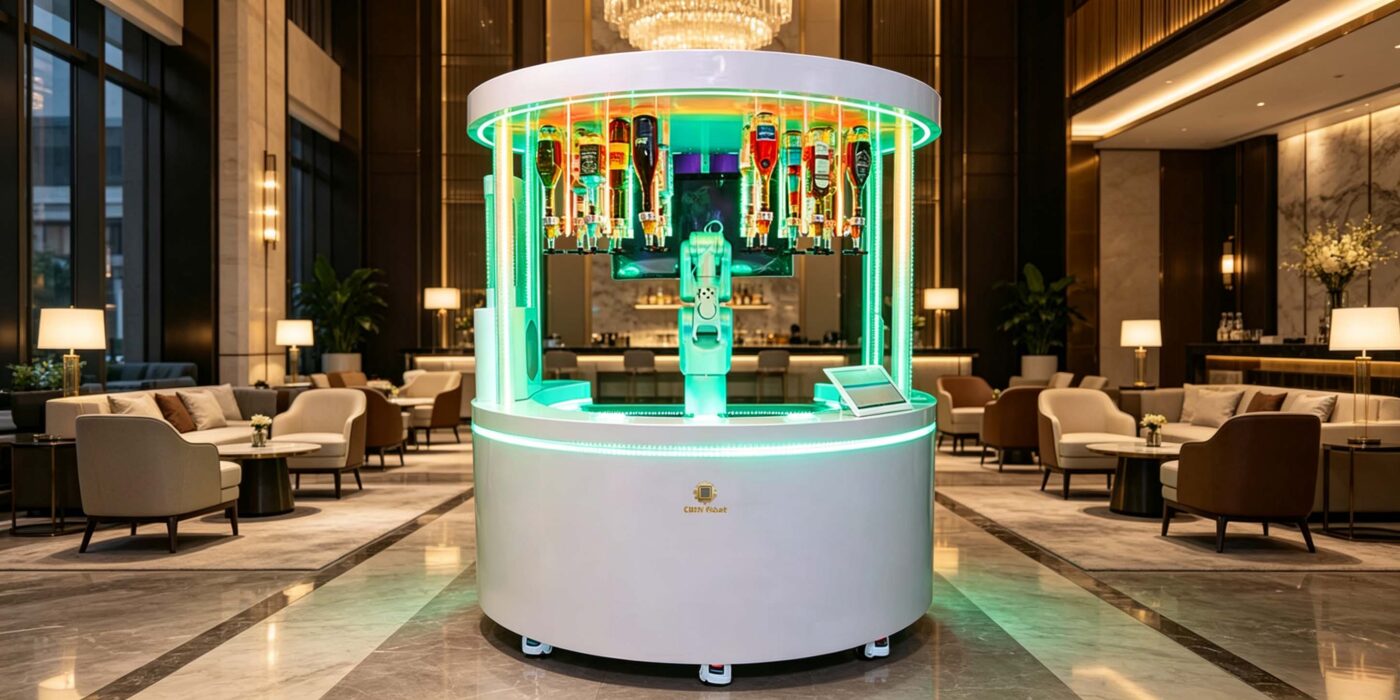
The global hospitality industry is undergoing one of its most disruptive transformations in decades. From luxury hotels to high-volume bars and themed restaurants, the rise of the bartender robot is redefining how beverages are prepared, served, and experienced.
What was once a futuristic concept is now a commercial reality. Automated systems, including restaurant robot servers and waitress robot solutions, are rapidly entering mainstream operations, especially in Asia, the Middle East, and high-tech hospitality hubs.
But behind the excitement lies a critical question for business owners and importers:
Is the bartender robot revolution truly profitable—or are there hidden red flags?
This article breaks down the technology, market opportunities, risks, and sourcing strategies for B2B buyers looking to invest in automation for restaurants, bars, and hospitality chains.
- What is a Bartender Robot?
- Market Growth of Automated Bartender Systems
- How Restaurant Robot Servers Work
- Key Benefits for Hospitality Businesses
- Red Flags & Hidden Risks
- Real-World Use Cases & Case Studies
- Pros and Cons of Bartender Robots
- Expert Tips / Strategies for B2B Buyers
- Future of Waitress Robots and Bar Automation
- FAQ Section
- Q1: What is a bartender robot used for?
- Q2: Are restaurant robot servers cost-effective?
- Q3: Can a waitress robot replace human staff completely?
- Q4: How much does an automated bartender cost?
- Q5: Is it safe to import bartender robots from China?
- Q6: What industries use bartender robots the most?
- Q7: What are the biggest risks of automation in hospitality?
- Conclusion
What is a Bartender Robot?
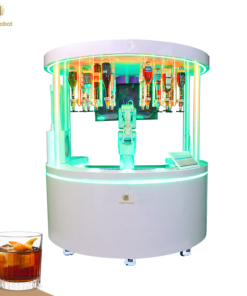
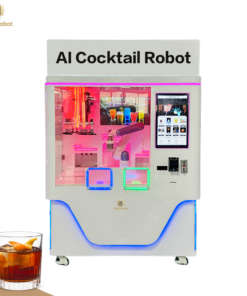
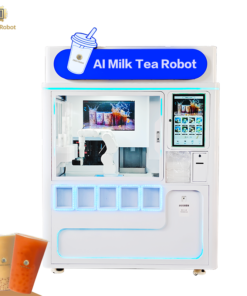
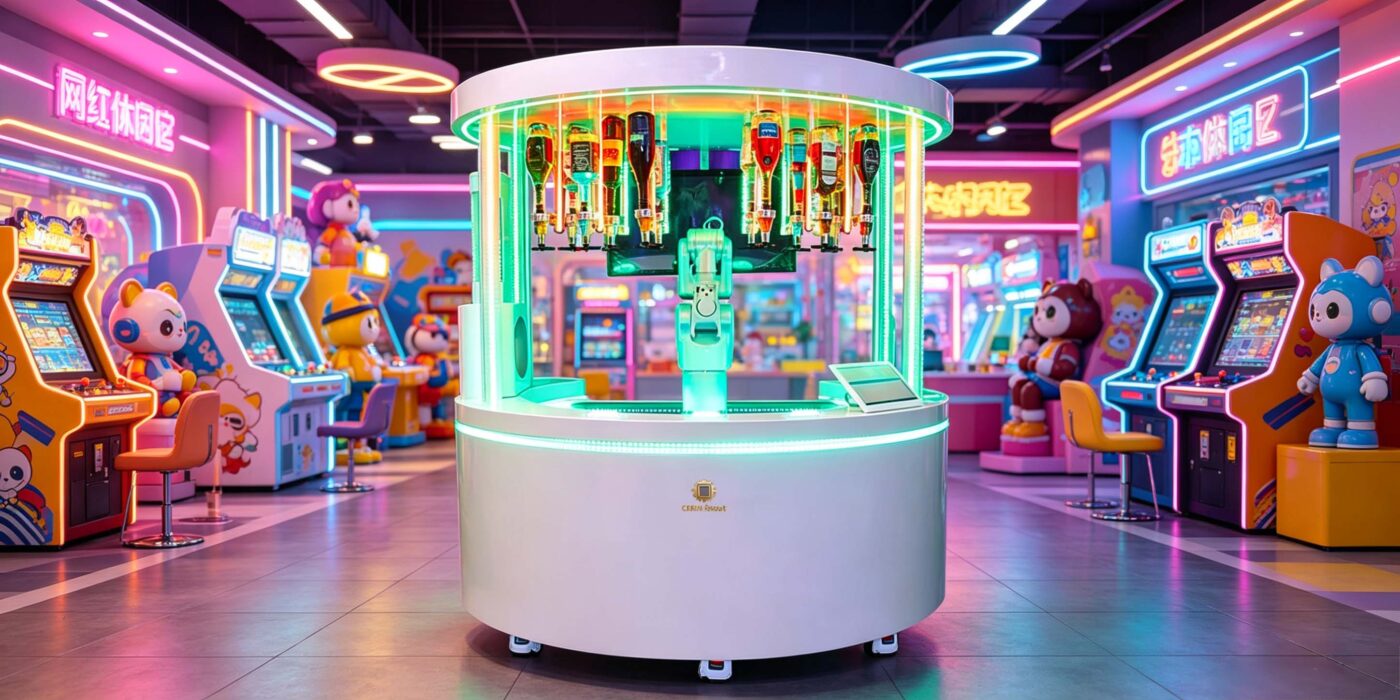
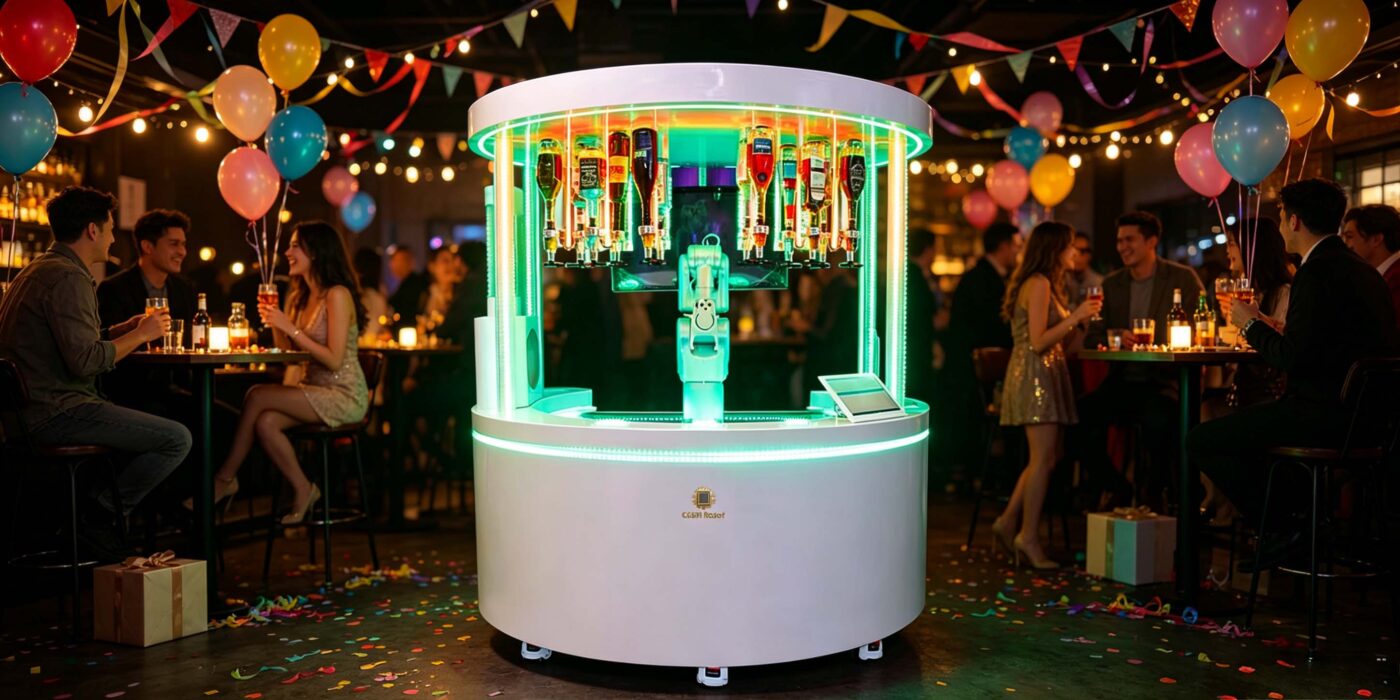
A bartender robot is an automated system designed to mix, shake, pour, and serve beverages with minimal or zero human intervention. These machines combine robotics, AI, sensors, and IoT systems to replicate or assist human bartenders.
Modern systems can:
- Mix cocktails with precision accuracy
- Store hundreds of drink recipes
- Serve drinks in under 30–60 seconds
- Operate continuously without fatigue
- Integrate with POS systems
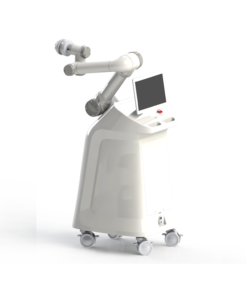
Some advanced models even feature robotic arms, touchscreen ordering interfaces, and facial recognition for personalized drink suggestions.
In parallel, restaurant robot servers and waitress robot systems handle food and drink delivery, navigation, and table service, creating a fully automated front-of-house experience.
Market Growth of Automated Bartender Systems
The global service robotics market is expanding rapidly. Industry analysts estimate hospitality robotics is growing at a double-digit CAGR due to labor shortages, rising wages, and increasing demand for automation.
Key growth drivers include:
- Labor shortages in hospitality sectors
- Rising minimum wages in developed markets
- Post-pandemic demand for contactless service
- Increasing adoption in China, Japan, UAE, and the US
- Tourism-driven automation in entertainment venues
In China alone, thousands of smart restaurants now deploy restaurant robot servers to reduce dependency on human labor and improve operational efficiency.
The bartender robot segment is particularly strong in:
- Nightclubs
- Luxury hotels
- Cruise ships
- Theme bars
- Airport lounges
How Restaurant Robot Servers Work
Modern restaurant robot servers and bartender systems operate using a combination of:
AI & Software Layer
- Order management systems
- AI-driven recipe execution
- Cloud-based updates for drink menus
Robotics Hardware
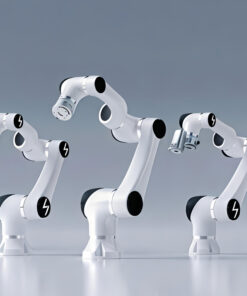
- Robotic arms for pouring and mixing
- Conveyor-based delivery systems
- Autonomous navigation sensors
Integration Systems
- POS (Point of Sale) synchronization
- Inventory tracking
- Smart scheduling algorithms
A waitress robot typically uses LiDAR or SLAM navigation to move safely through crowded restaurant environments, avoiding obstacles and delivering food or drinks directly to tables.
Key Benefits for Hospitality Businesses
For B2B buyers and restaurant operators, investing in a bartender robot offers several strategic advantages:
1. Labor Cost Reduction
One robot can replace 1–3 human staff in repetitive roles.
2. 24/7 Operation
Unlike human workers, automated bartenders can operate continuously without breaks.
3. Consistency & Precision
Every drink is prepared with exact measurements, reducing waste.
4. Faster Service Speed
Average drink preparation time can drop by 30–70%.
5. Marketing Appeal
Robotic bars attract customers and increase foot traffic through novelty and social media virality.
Red Flags & Hidden Risks
Despite the hype, B2B buyers must carefully evaluate the risks before investing in bartender robot systems.
1. High Initial Investment
Advanced systems can cost significantly more than hiring staff in low-wage markets.
2. Maintenance Complexity
Breakdowns require specialized technicians, often from the supplier country.
3. Limited Flexibility
Robots struggle with custom or complex drink requests outside programmed menus.
4. Software Dependency
System failures or bugs can halt operations completely.
5. Customer Experience Gap
Some customers still prefer human interaction over automated service.
6. Import & Compliance Issues
For importers from China, certification, shipping, and local safety regulations can become bottlenecks.
Real-World Use Cases & Case Studies
Case Study 1: Smart Bar in Shanghai
A high-end bar deployed bartender robot units to handle peak-hour orders. Result:
- 40% reduction in wait time
- 25% increase in customer turnover
- Viral social media exposure boosted sales
Case Study 2: Airport Lounge Automation
A Middle Eastern airport installed restaurant robot servers for premium lounges:
- Reduced staffing costs by 35%
- Improved service consistency
- Enhanced luxury branding perception
Case Study 3: Theme Restaurant Chain
A themed dining chain integrated waitress robot systems for food delivery:
- Increased novelty-driven traffic
- Reduced human labor dependency
- However, maintenance downtime caused occasional service delays
Pros and Cons of Bartender Robots
Pros
- High efficiency and speed
- Reduced long-term labor costs
- Consistent drink quality
- Strong marketing impact
- Scalable for chain restaurants
Cons
- High upfront cost
- Technical maintenance required
- Limited emotional interaction
- Dependence on software systems
- Training required for staff supervision
Expert Tips / Strategies for B2B Buyers
If you’re a business owner, importer, or sourcing agent, here are strategic insights before investing in a bartender robot system:
1. Start with Hybrid Deployment
Combine human bartenders with automation for better flexibility.
2. Choose Modular Systems
Opt for machines that allow upgrades and component replacement.
3. Verify Supplier Reliability
Many restaurant robot servers come from China—always check:
- Factory certification
- After-sales service capability
- Spare parts availability
4. Evaluate ROI Carefully
Calculate:
- Labor savings
- Maintenance costs
- Revenue increase from attraction effect
5. Prioritize Software Updates
Ensure the system includes remote updates and technical support.
6. Test Before Bulk Purchase
Pilot in one location before scaling.
Future of Waitress Robots and Bar Automation
The next generation of waitress robot and bartender robot systems will likely include:
- AI-driven personalized drink recommendations
- Voice-controlled ordering systems
- Fully autonomous mobile bars
- Integration with AR/VR entertainment environments
- Advanced human-robot collaboration models
By 2030, industry forecasts suggest that a significant portion of hospitality operations in urban smart cities will include some level of robotic automation.
However, full replacement of human workers is unlikely. Instead, a hybrid model will dominate.
FAQ Section
Q1: What is a bartender robot used for?
A bartender robot is used to automate drink mixing, serving, and recipe execution in bars, hotels, and entertainment venues.
Q2: Are restaurant robot servers cost-effective?
Yes, in high-labor-cost regions. However, ROI depends on volume, maintenance, and operational scale.
Q3: Can a waitress robot replace human staff completely?
Not fully. It handles repetitive tasks but still requires human supervision.
Q4: How much does an automated bartender cost?
Costs vary widely depending on features, ranging from mid-range commercial units to high-end AI-integrated systems.
Q5: Is it safe to import bartender robots from China?
Yes, but buyers should verify certifications, supplier reputation, and after-sales support.
Q6: What industries use bartender robots the most?
Hotels, nightclubs, cruise ships, airports, and theme restaurants.
Q7: What are the biggest risks of automation in hospitality?
High upfront cost, maintenance issues, and lack of flexibility in service.
Conclusion
The rise of the bartender robot is not just a trend—it’s a structural shift in the hospitality industry. From automated cocktail stations to intelligent restaurant robot servers, businesses are rapidly adopting automation to stay competitive.
However, success depends on strategic implementation. Blind adoption can lead to high costs and operational inefficiencies, while well-planned integration can significantly increase profitability and customer engagement.
For B2B buyers, importers, and sourcing professionals, the opportunity is clear:
Automation is the future—but only for those who evaluate both the benefits and the red flags with precision.
Call to Action:
If you are planning to invest in bartender robots or restaurant automation systems, start with a small pilot project, validate supplier quality, and scale intelligently.
