










Uncategorized
Simulation-First Development: Accelerating Commercial Service Robot Deployment
Jun
The Challenge of Traditional Commercial Robot Deployment
The deployment of commercial service robots has traditionally relied on physical installation and extensive on-site debugging. Since shopping malls, retail spaces, entertainment venues, and hospitality environments vary significantly in layout, lighting, and operational conditions, robot adaptation often begins only after equipment arrives on site.
This approach can lead to extended project timelines, repeated adjustments, increased labor requirements, and higher deployment costs.
To address these challenges, CBSH Robot adopts a simulation-first development methodology. By validating environments, workflows, and equipment performance within virtual scenarios before physical installation, we streamline deployment processes and improve project reliability.
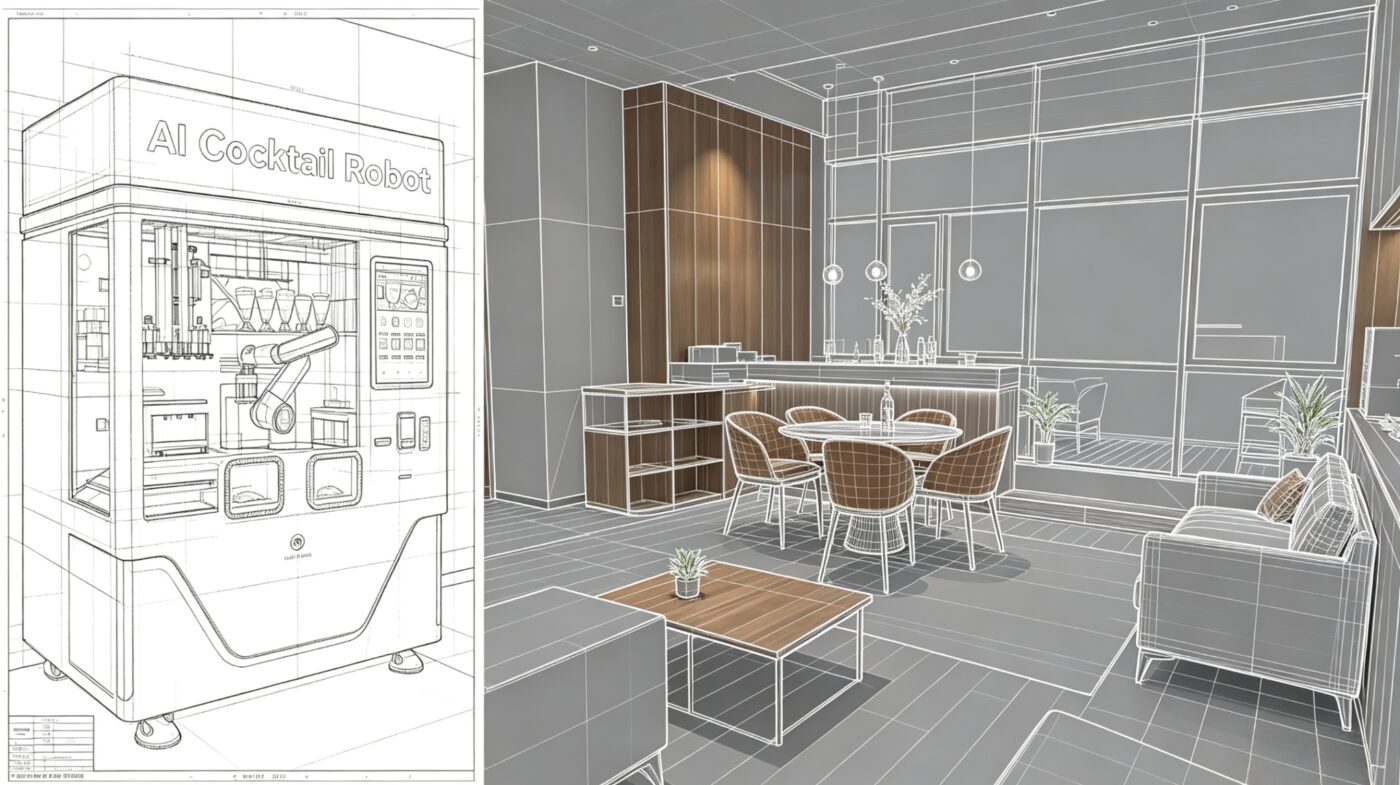
Lightweight Simulation Designed for Commercial Robotics
Why Traditional Industrial Simulation Is Not Always Suitable
Industrial simulation frameworks such as OpenUSD and SimReady are primarily developed for manufacturing, automotive, and large-scale industrial automation applications. While powerful, these systems are often overly complex for commercial service robot deployments.
CBSH Robot focuses on lightweight, project-oriented simulation workflows specifically designed for:
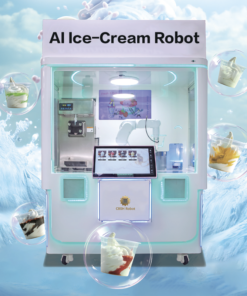
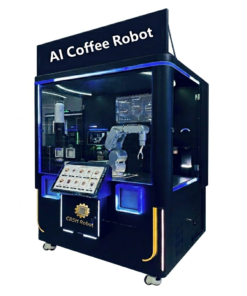
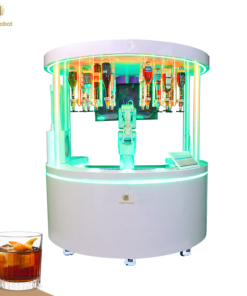
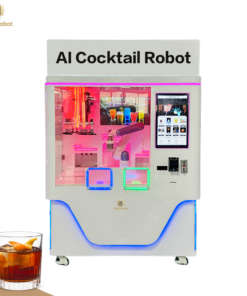
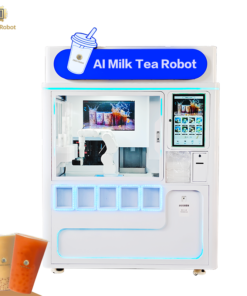
- Beverage service robots
- Automated retail solutions
- Shopping mall service robots
- Event and venue service applications
- Hospitality and entertainment environments
This targeted approach enables faster implementation and greater operational efficiency.
How CBSH Robot Applies Simulation-First Development
1. Virtual Site Recreation Before Deployment
Before delivery, client environments are digitally recreated using architectural drawings, floor plans, and site reference materials.
Robot placement, operating range, workflow routes, and spatial clearances are verified in advance, significantly reducing installation issues and structural modifications after deployment.
2. Operational Workflow Validation in Virtual Environments
Core robot functions are thoroughly tested before arriving on site, including:
- Service workflows
- Automated operating procedures
- Startup and shutdown sequences
- Standby and reset mechanisms
By optimizing software logic during the simulation stage, we minimize on-site programming adjustments and accelerate project commissioning.
3. Standardized Deployment Across Global Markets
For projects deployed across Japan, South Korea, Southeast Asia, and other international markets, our simulation-first methodology ensures consistent implementation standards.
This standardized process enables rapid adaptation to local site conditions while maintaining deployment quality across multiple locations.

Key Benefits of a Simulation-First Deployment Strategy
Faster, More Efficient Project Delivery
Simulation-first development delivers measurable advantages for commercial robotics projects:
- Faster installation and commissioning
- Shorter overall project timelines
- Reduced overseas and cross-regional support costs
- Fewer on-site modifications and rework requirements
- Improved deployment consistency across multiple locations
- Greater operational reliability from day one
Conclusion
Building the Future of Commercial Robot Deployment
Simulation-first development is becoming a key driver of efficient and scalable commercial robotics implementation.
CBSH Robot will continue refining its virtual validation and pre-deployment adaptation processes for beverage service robots, automated retail systems, and commercial service robotics. Our goal is to provide faster, more stable, and highly standardized deployment solutions for shopping centers, restaurants, entertainment venues, and commercial spaces worldwide.
